

Urban Planning and Development
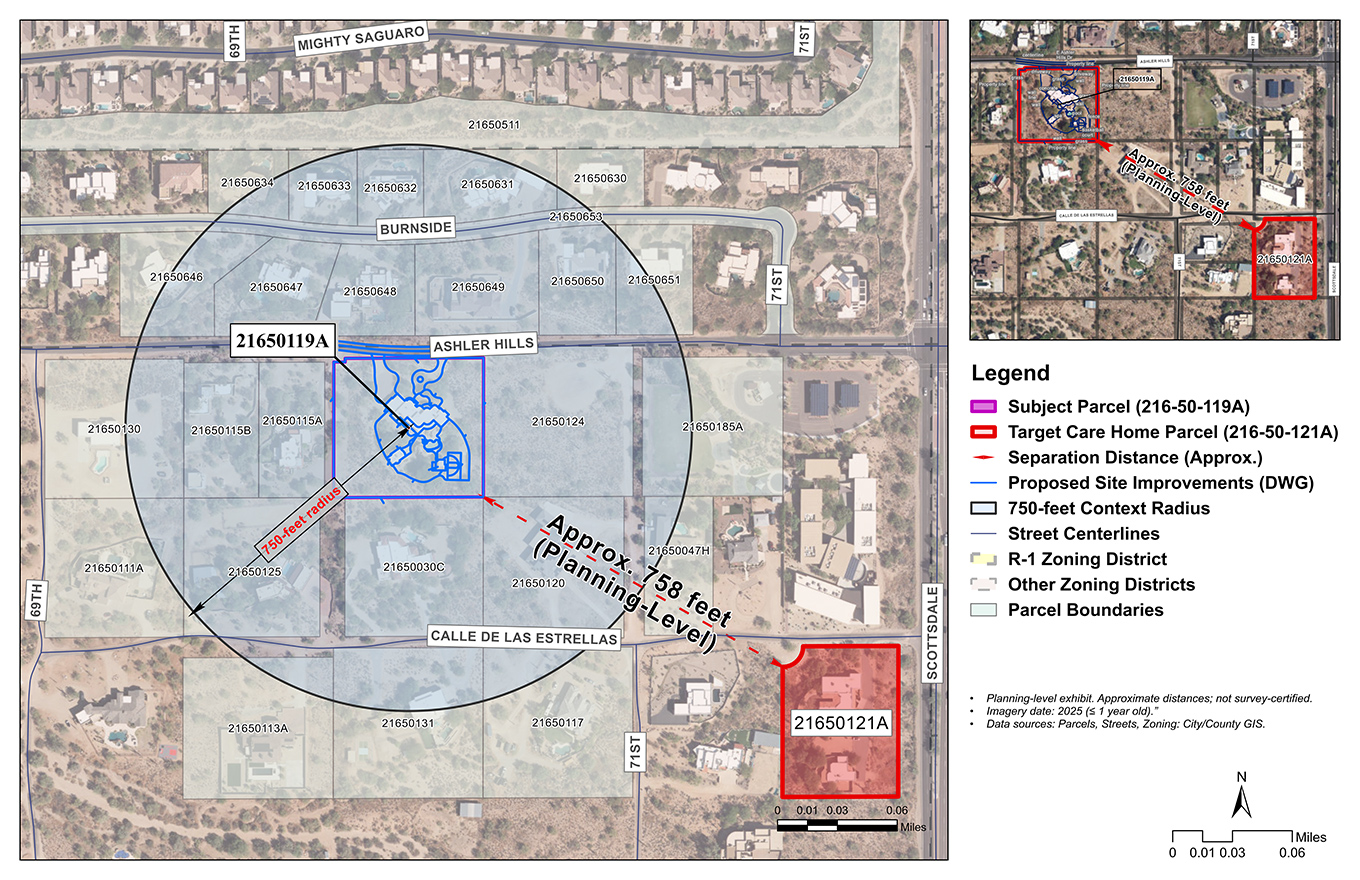
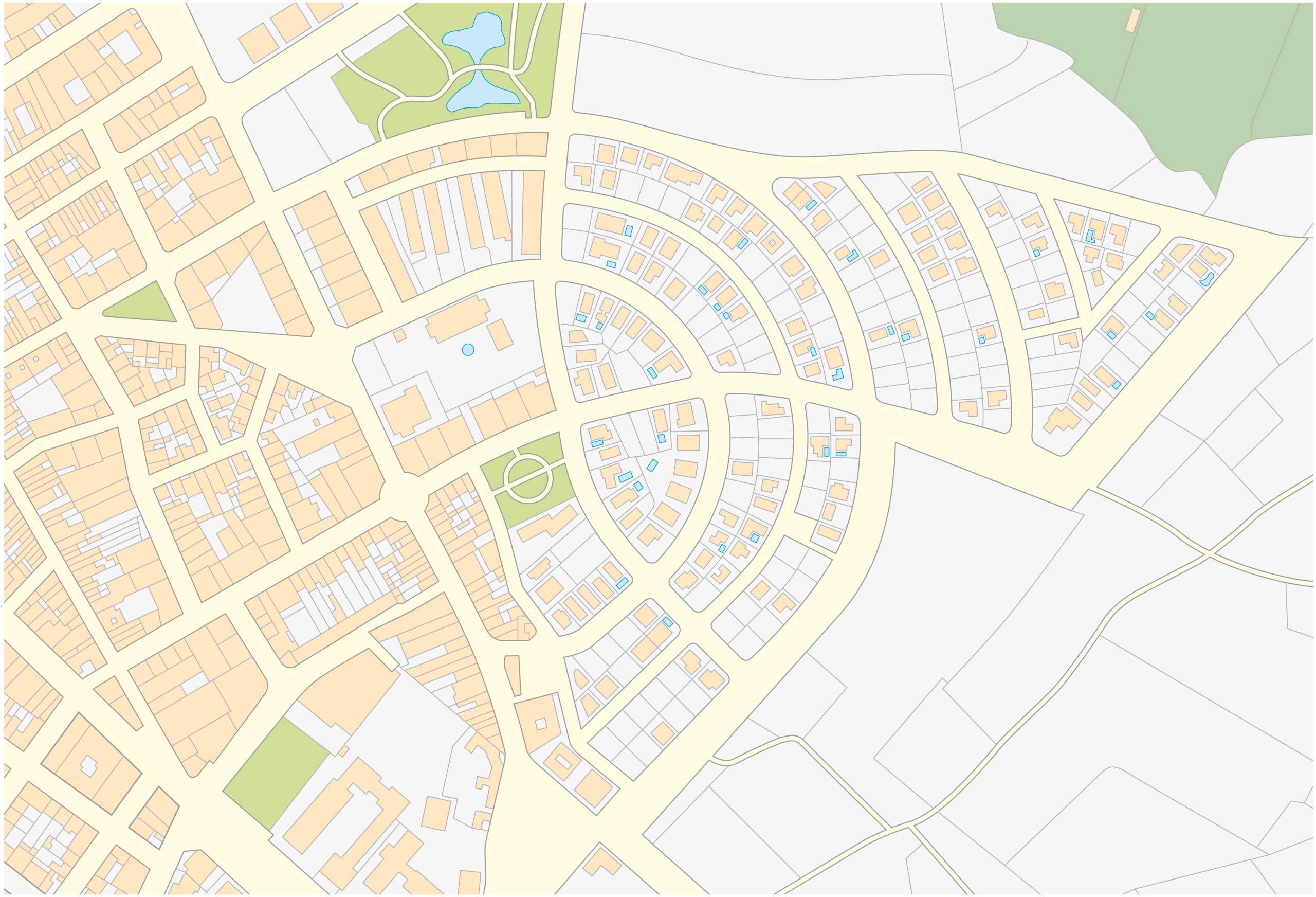
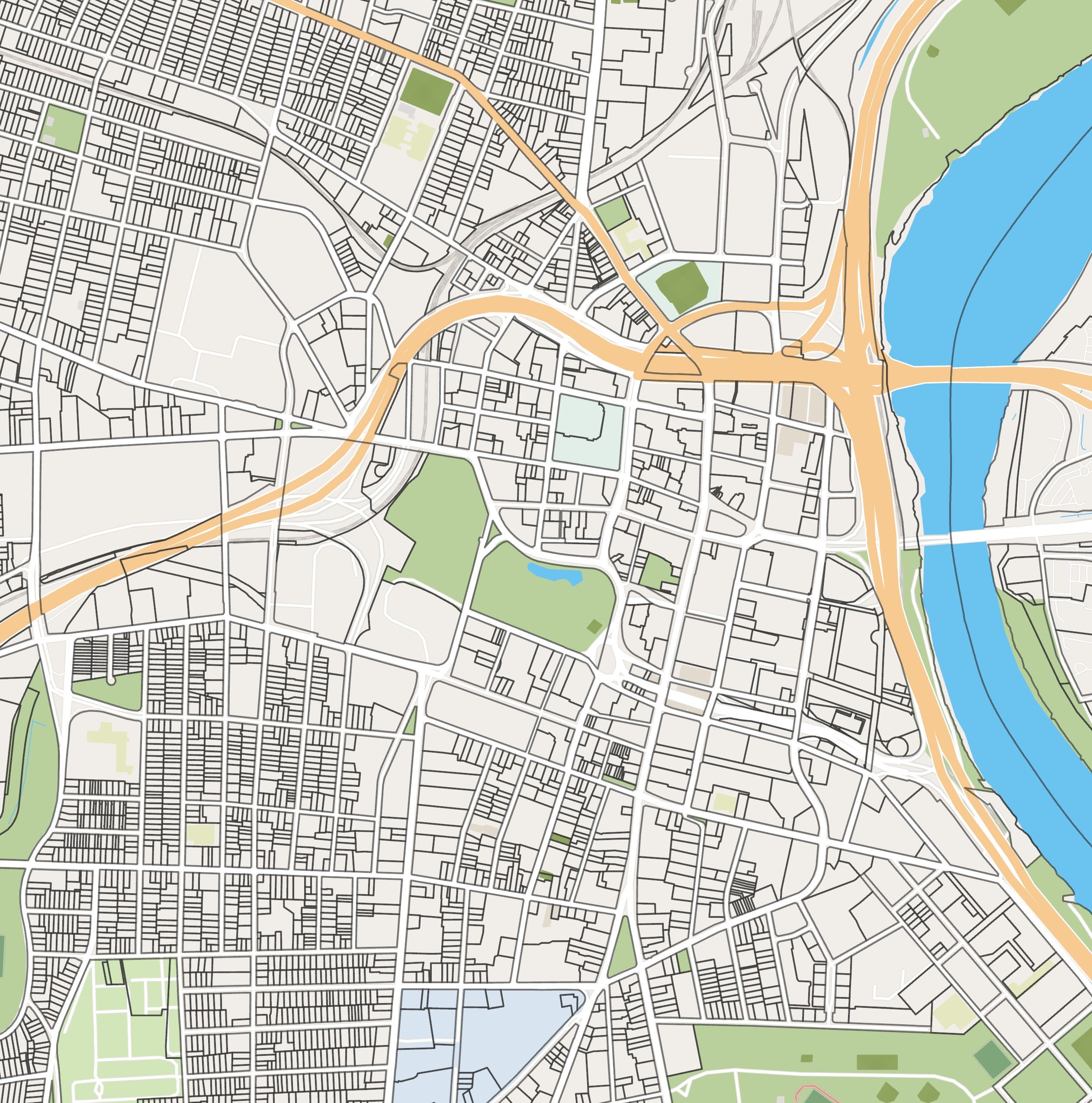
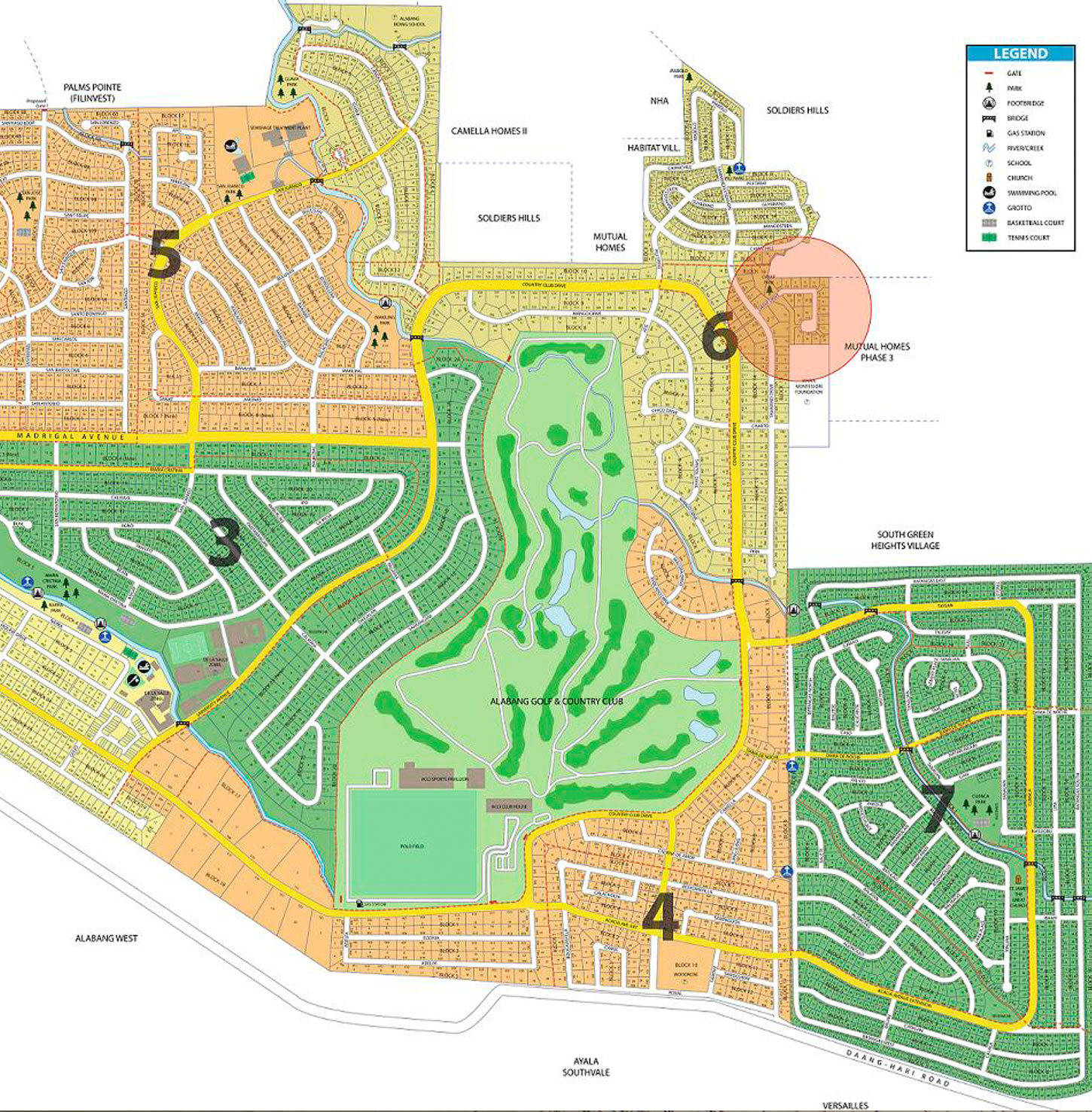
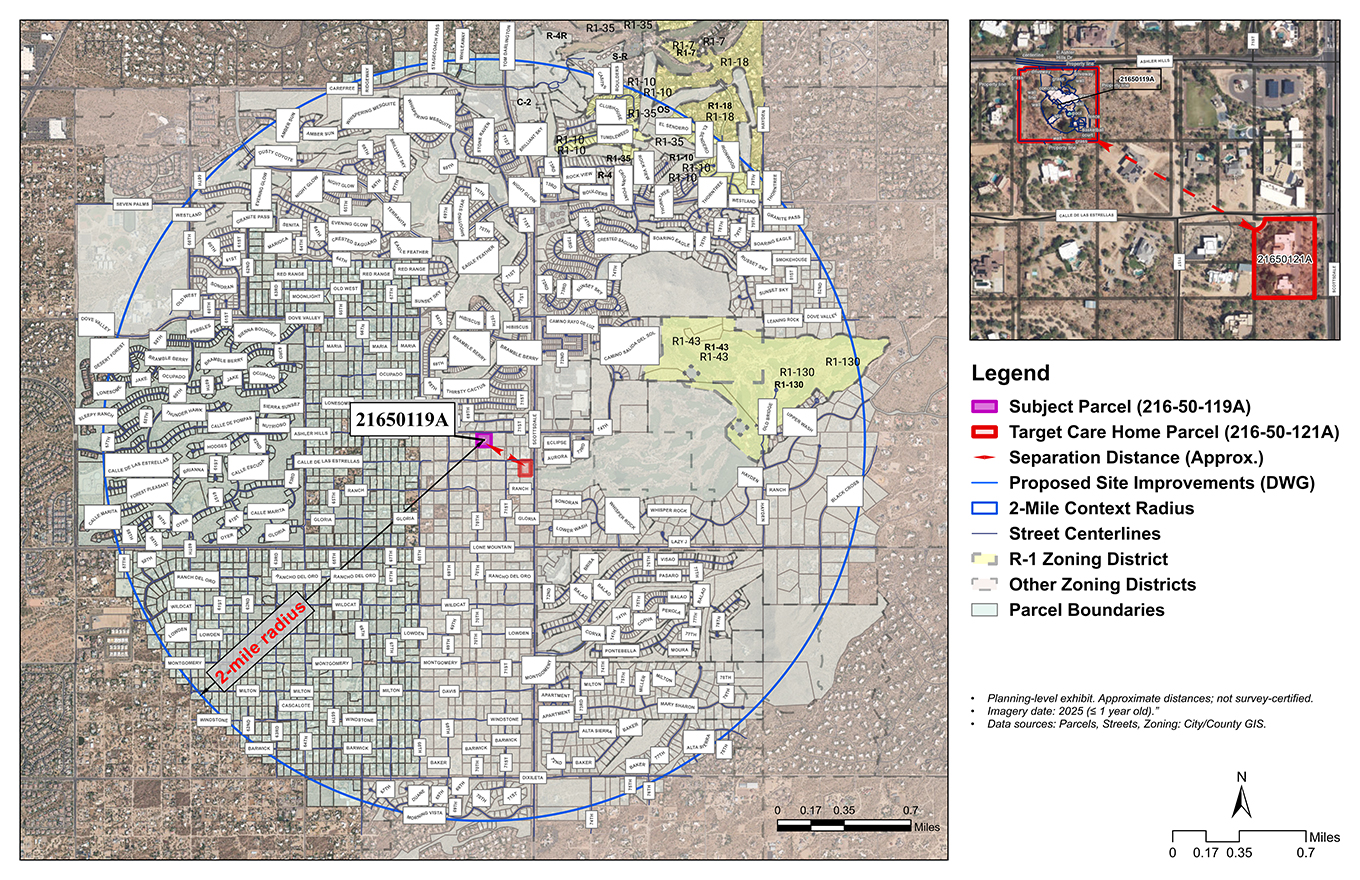
Municipal planners and developers rely on our land use planning maps, zoning classification maps, and parcel mapping to guide growth management. Planners can find data about existing conditions, overlay various data layers to analyze spatial relationships, and create dynamic maps that communicate planning proposals effectively.

Utilities and Infrastructure
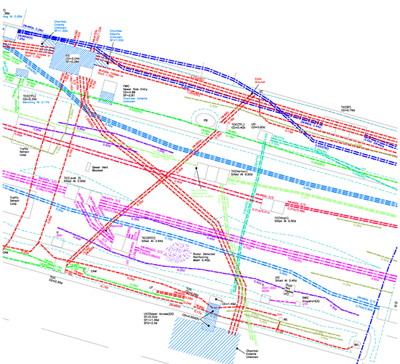
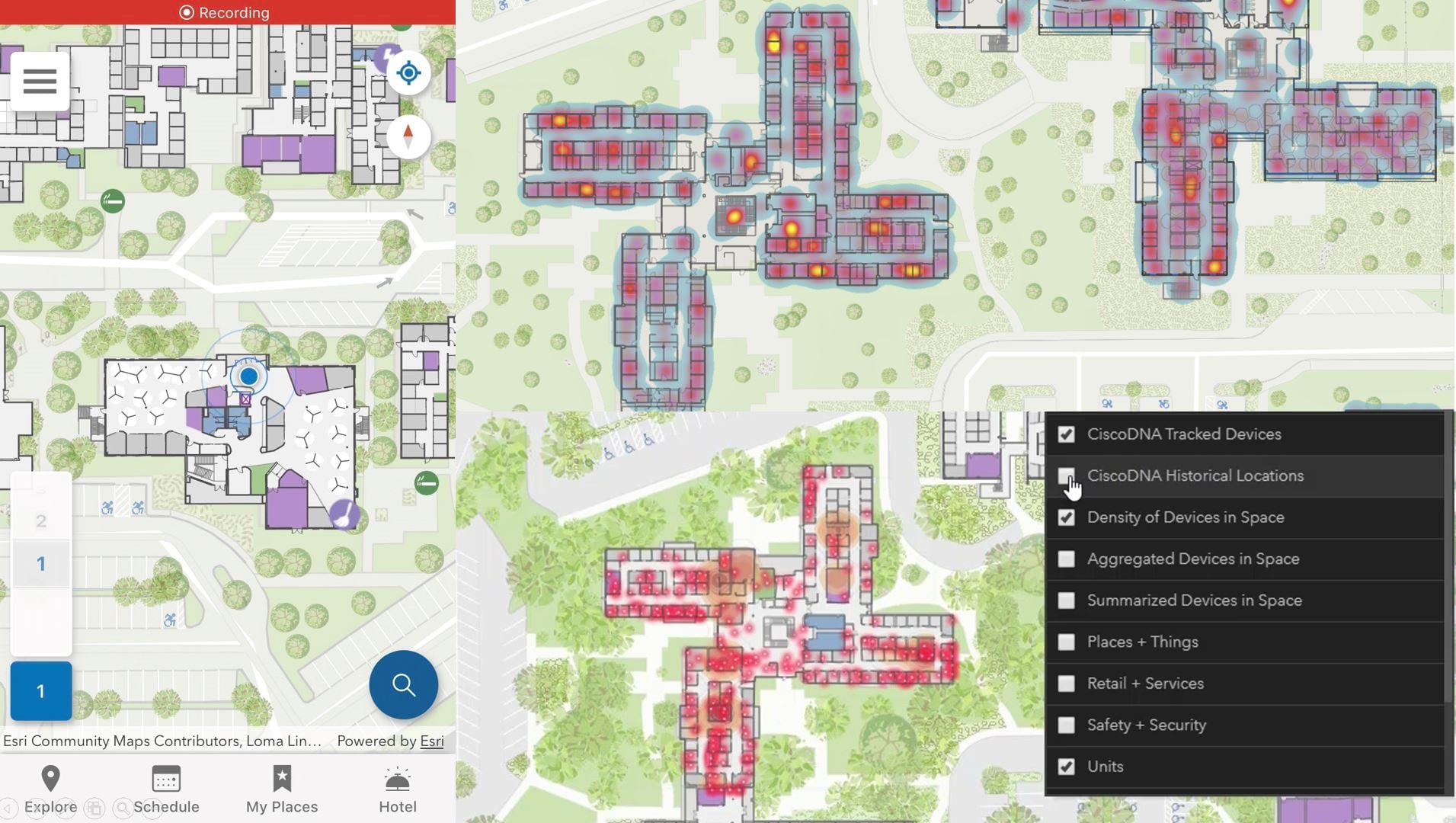
Utility operators use our mapping services to document water, sewer, electrical, gas, and telecommunications networks. The spatial information provided enables utilities to analyze spatial data for optimal resource allocation and identify patterns in service disruptions.

Construction and Engineering
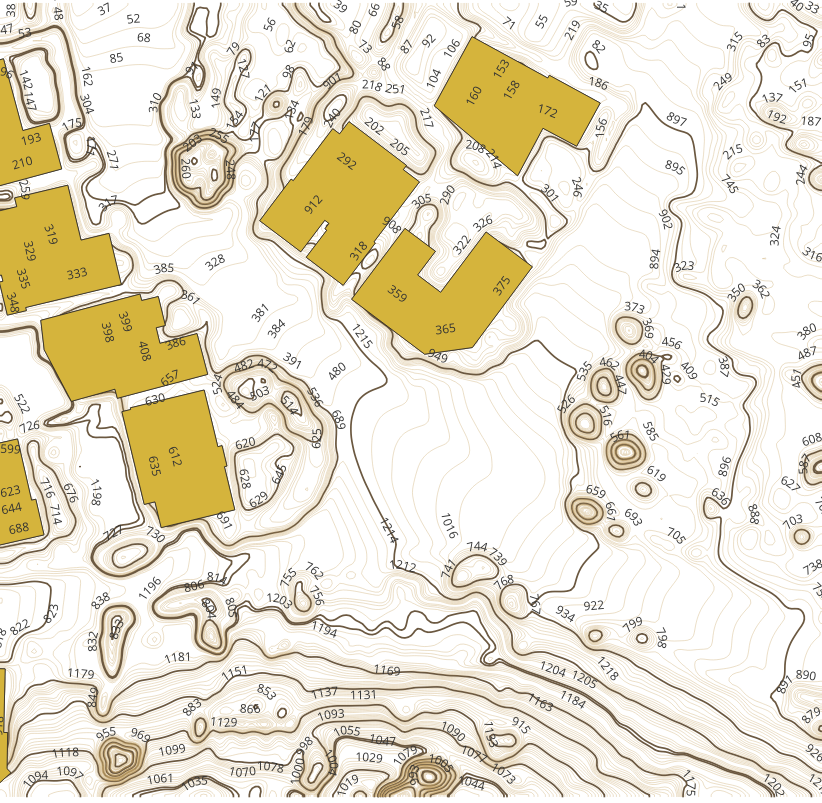
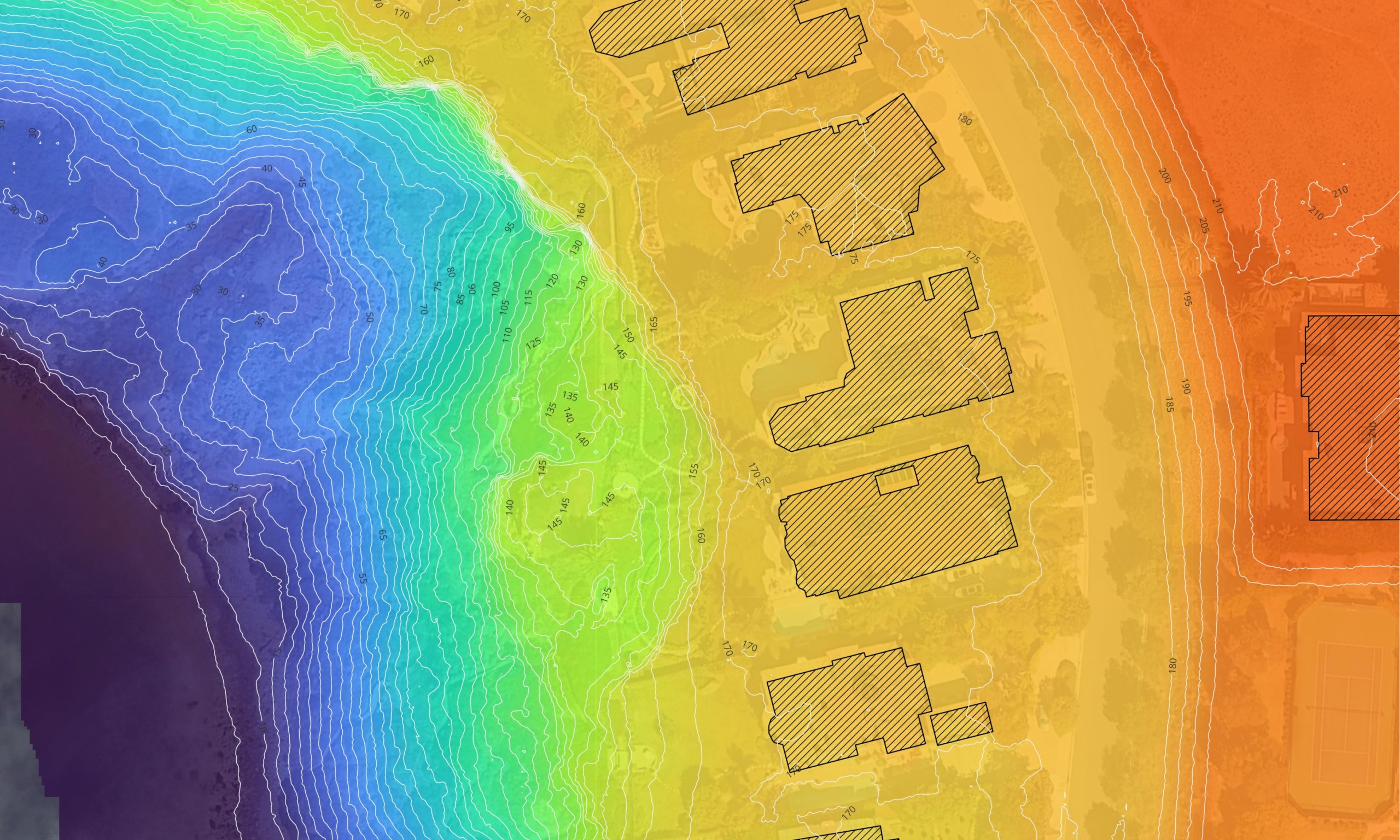
Construction firms and civil engineers depend on our topographical mapping and base mapping for site design, grading plans, and construction management. Engineers can query geospatial data to extract elevation values at specific locations and generate visual representations of proposed grading.
Real Estate and Property Management
Drones equipped with advanced imaging technologies can capture detailed and precise data, improving the accuracy of inspections. High resolution cameras and thermal sensors provide utility companies with high quality data for accurate analysis, enabling better decision making and more effective maintenance planning for electrical infrastructure.

Environmental Management
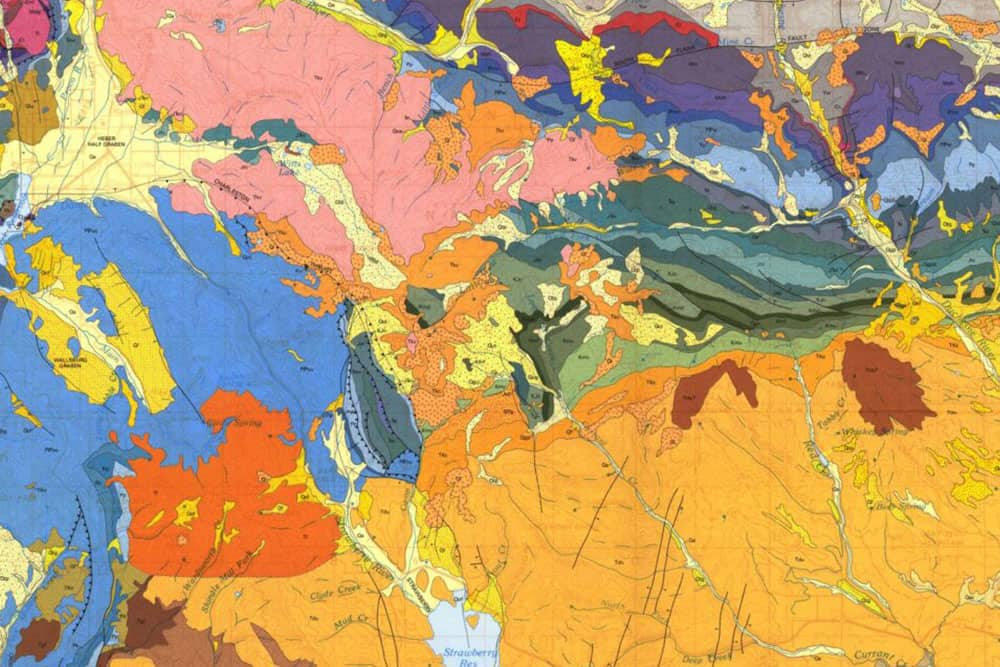
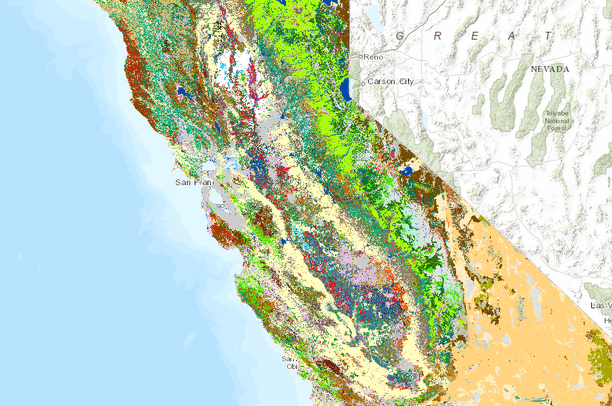
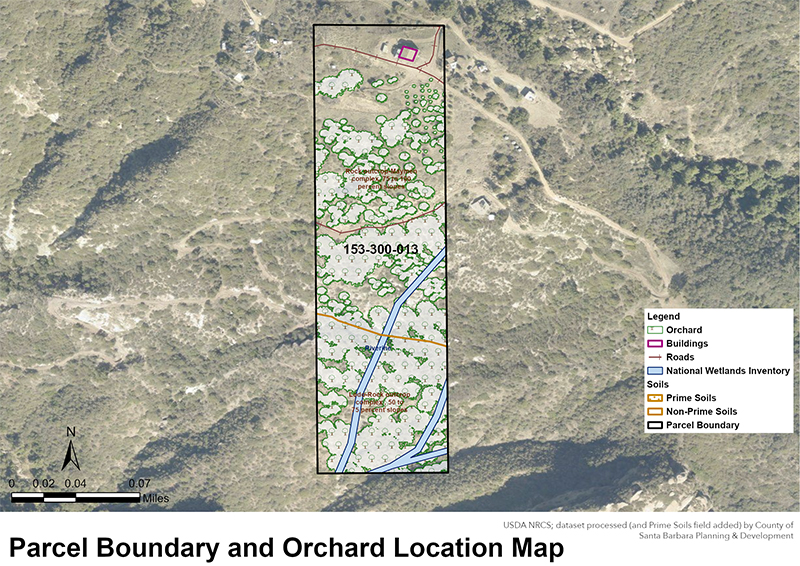
Environmental consultants and resource agencies use our LULC mapping and geological mapping to assess habitats and track land cover changes. Organizations can analyze spatial data to identify patterns in environmental change and assess threats like flood zones and earthquake-prone areas.

Government Agencies
Local, state, and federal agencies rely on our GIS mapping services for infrastructure management, emergency planning, regulatory enforcement, and public information. Government users can share map data across departments, enabling collaboration and improving service delivery.
Transportation and Logistics
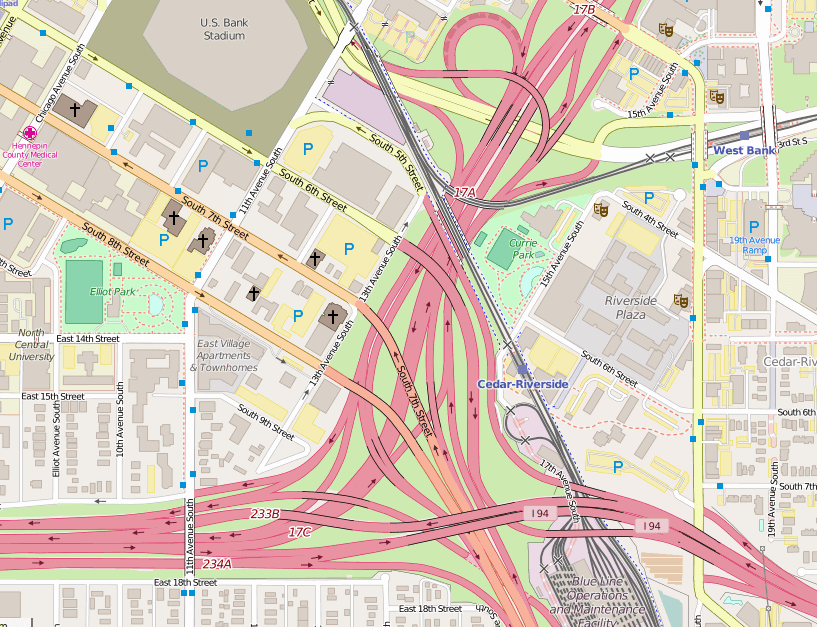
Transportation agencies and logistics companies use GIS to map, analyze, and improve delivery routes to reduce fuel costs and mitigate transportation disruptions. Advanced GIS tools can simulate scenarios such as predicting traffic flow changes due to new highway constructions.