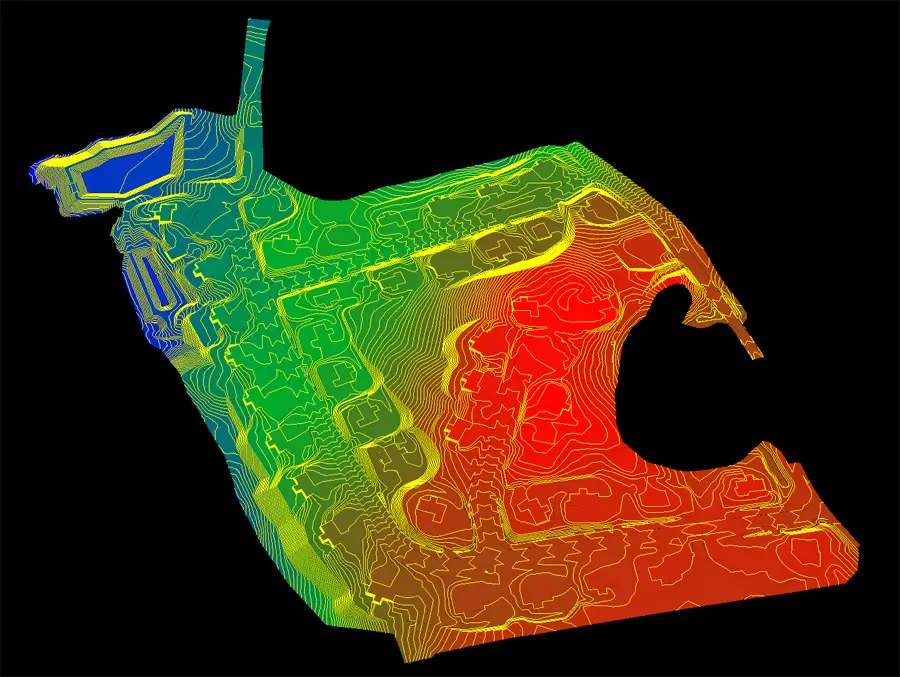
AeroViews delivers engineering-grade 3d model machine control services that transform design intent into field-ready digital surfaces for GPS-guided heavy equipment. We build machine control models from contractor-supplied CAD files and civil plans, or capture high-accuracy terrain data using drone and LiDAR technology to develop as-built surfaces and terrain models for grading operations. Our machine control modeling supports excavation contractors, site development firms, and roadway construction teams executing projects requiring centimeter-level precision across California.
Whether you’re working from engineered plans or need existing conditions captured for adaptive grading, AeroViews provides complete 3d machine control solutions from data acquisition through final model delivery. We export Trimble Business Center and Topcon-compatible surfaces ready for immediate deployment to dozers, motor graders, excavators, and scrapers equipped with GPS machine control systems. This eliminates manual staking, reduces rework, and enables your machine operators to achieve design grades efficiently on the first pass.
Our machine control technology expertise spans roadway corridor modeling, subdivision mass grading, site utilities, pad elevations, and drainage systems. We understand the construction process demands that separate theoretical design from constructible reality—managing subgrade surfaces, accounting for material depths, validating cut/fill transitions, and ensuring your 3d models translate directly to dirt. From small-lot grading to multi-phase developments, AeroViews delivers the accurate machine control models that keep projects on grade and on schedule.
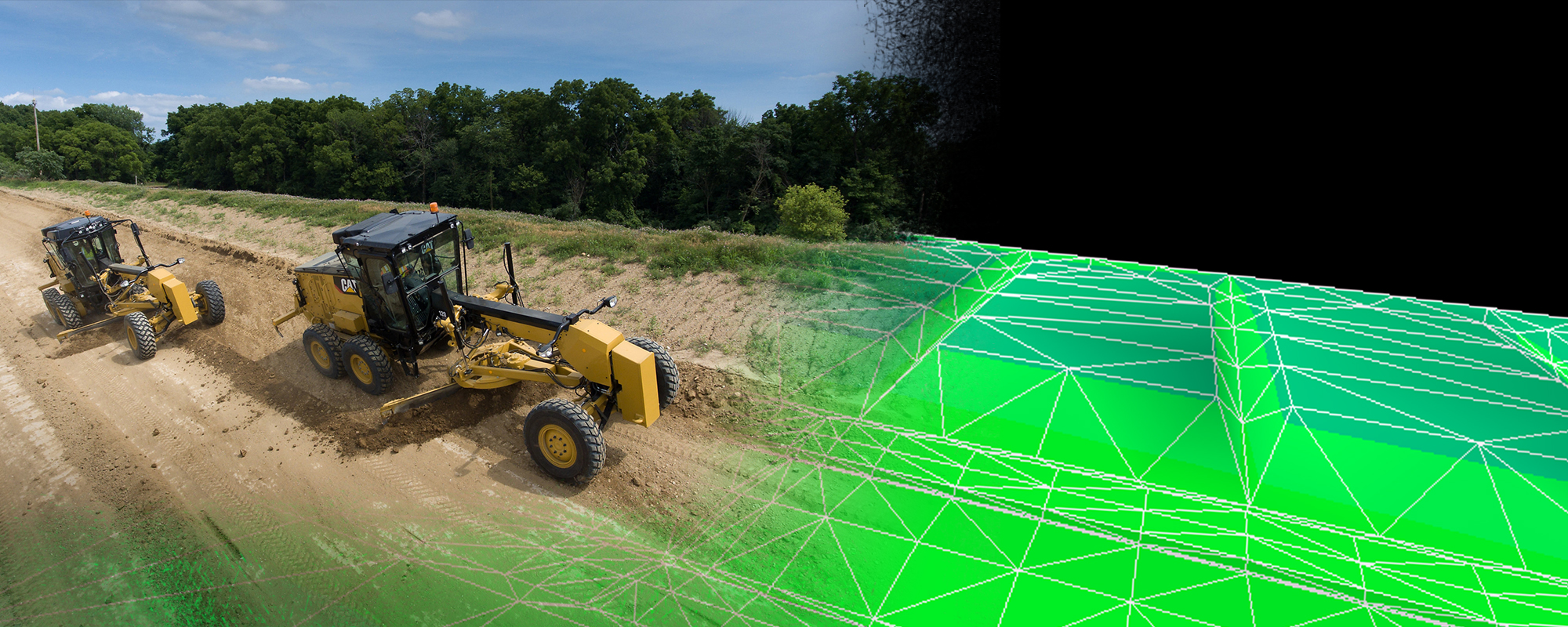
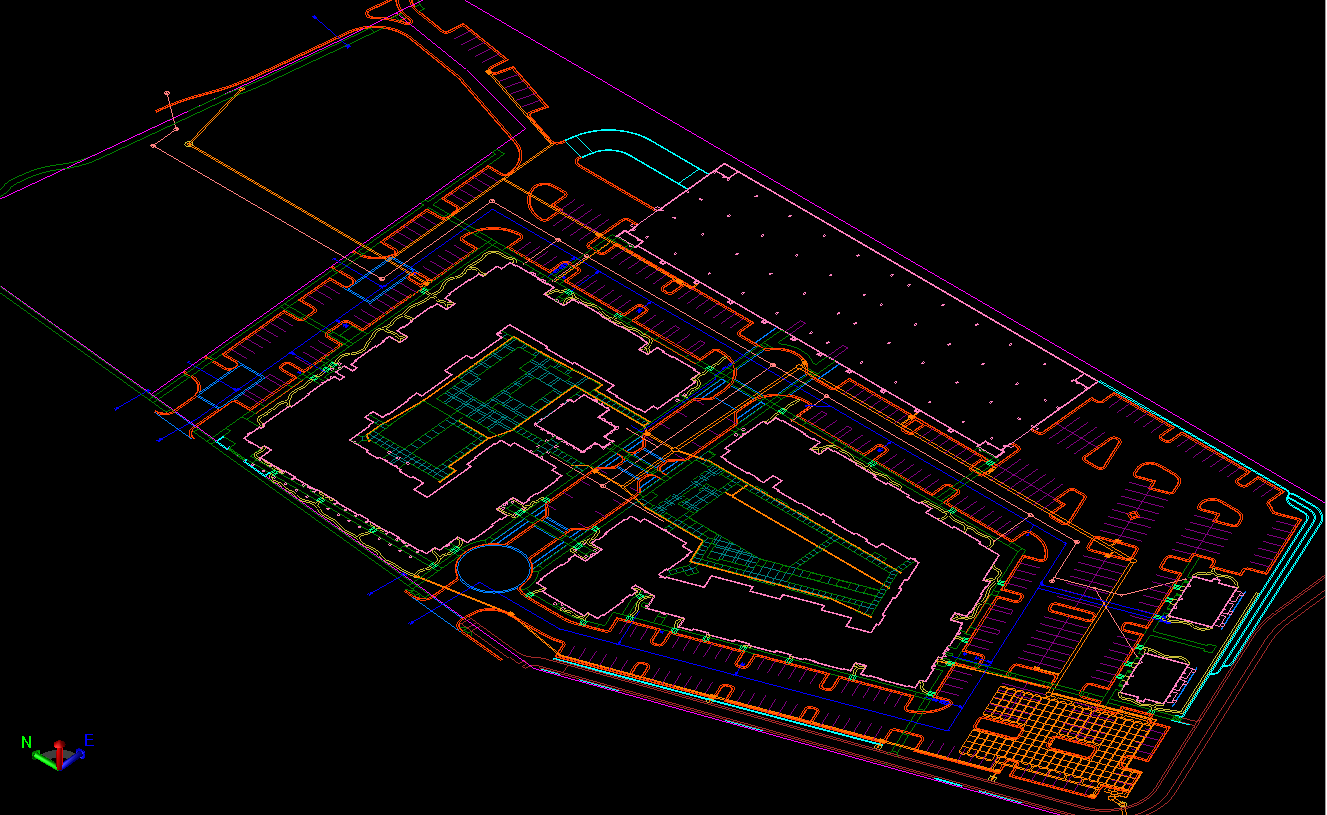
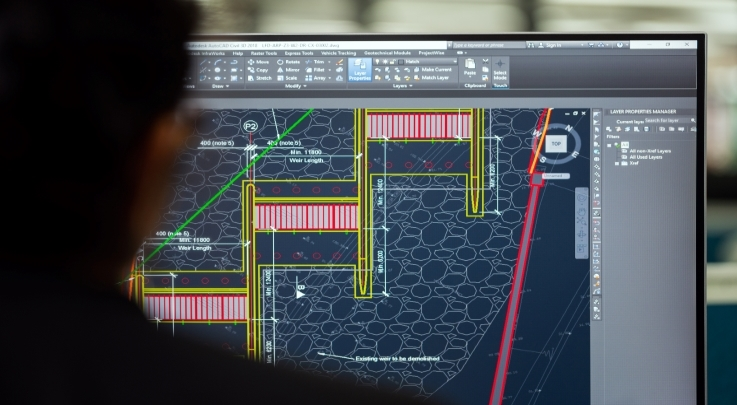
Machine Control Modeling from CAD & Civil Plans
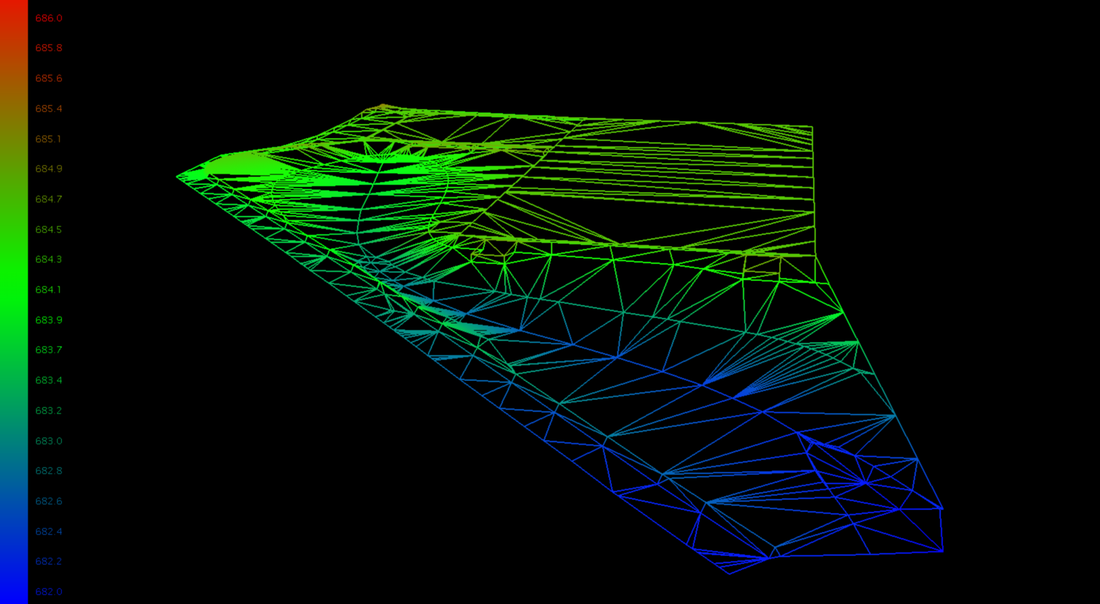
AeroViews converts contractor-supplied design files into field-ready machine control models that GPS-equipped heavy equipment can execute without physical stakes or constant grade checking. We process DWG, DXF, and LandXML files from civil engineering firms, extracting design surfaces, corridor alignments, and grading plans to build TIN surfaces compatible with Trimble and Topcon machine control systems. This machine control modeling service supports contractors who have engineered plans but lack the software expertise or time to develop construction-ready digital models.
Our machine control support services handle the technical complexity of surface modeling—cleaning geometry, resolving surface conflicts, building accurate breaklines, and validating elevations against design intent. We develop subgrade surfaces that account for material depths, create transition zones between cut and fill areas, and model drainage structures with proper inverts and slopes. The result is a digital model that equipment operators trust to guide blades, buckets, and scrapers to finished grade without manual verification at every pass.
Machine Control Technology for Grading Projects
Machine control technology uses digital design files, positioning sensors, and on-board computers to guide heavy equipment with centimeter-level precision. GPS machine control systems continuously compare the machine’s position to the 3d plan in real time, providing operators with visual guidance that shows cut/fill depths, blade position relative to target grade, and distance to design surface. This eliminates manual staking by enabling the equipment to self-navigate to correct elevations across the entire project site, enhancing productivity, safety, and accuracy.
The system utilizes sensors and GPS to create a digital model of the construction site that updates dynamically as work progresses. Advanced 3d models and interfaces facilitate faster proficiency for novice operators, reducing training time from months to days while enabling less-skilled operators to perform like professionals. This addresses the construction industry’s significant skills gap by placing the responsibility for accuracy and speed in the hands of performance-enhancing technology rather than relying solely on operator experience.
Accurate Machine Control Models from Design Files
Accurate machine control models ensure precise elevations and contours for efficient machine control and reduced rework on construction sites. We validate every surface against source data, checking for elevation conflicts, unrealistic slopes, gaps in coverage, and modeling artifacts that could cause equipment to cut too deep or leave material high. Models can be created based on a variety of data including PDF plans and CAD files, with our team extracting design intent even from legacy documents or incomplete datasets.
Our machine control software workflow includes rigorous QA/QC protocols—cross-section verification, spot elevation validation, and visual inspection of the digital model against design drawings. We deliver models with documented accuracy reports showing how the final surface compares to engineered plans, providing contractors confidence that the digital model matches design specifications. This attention to detail means less rework, fewer delays, and more confidence in your project execution from first blade pass to final acceptance.
Drone & LiDAR-Based Machine Control Model Development
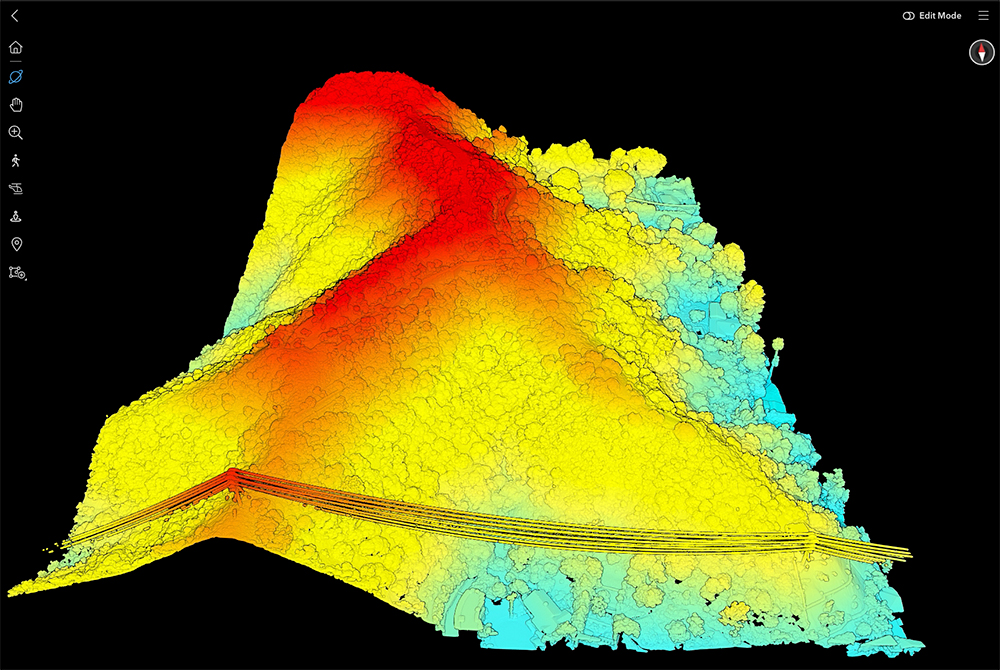
AeroViews provides 3d model machine control development from high-accuracy drone and LiDAR terrain capture, enabling adaptive grading on sites where existing conditions must drive the machine control surface. We deploy RTK-enabled drones and LiDAR sensors to capture sub-centimeter vertical accuracy across active construction sites, then process that point cloud data into TIN surfaces and DEM models ready for GPS machine control systems. This service supports projects requiring as-built documentation, stockpile surveys converted to grading models, or existing grade surfaces for cut/fill optimization.
Our LiDAR mapping and drone survey capabilities deliver the engineering-grade data quality that machine control modeling demands. We establish vertical control using ground checkpoints, extract breaklines at critical grade transitions, and convert dense point clouds into clean TIN surfaces that equipment can follow without interpolation errors. The 3d grading system receives a verified digital model of actual site conditions, allowing contractors to adapt plans to reality rather than force-fitting theoretical designs to variable terrain.
High-Accuracy Terrain Data for Machine Control
Precision terrain modeling for machine control requires more than standard aerial mapping. We use crosshatch flight patterns and terrain-following acquisition to ensure complete coverage of complex topography, steep slopes, and areas with vegetation or structures. Our processing workflow includes DEM to TIN conversion with intelligent breakline placement at road edges, drainage features, retaining walls, and other critical grade transitions that affect equipment operation. The result is a 3d machine control surface that accurately represents field conditions without the artifacts or smoothing that make generic terrain models unsuitable for construction.
GPS grading operations depend on the digital model containing real-world features that operators encounter—curbs, gutters, utility trenches, and existing pavement edges must appear in the surface at correct elevations. We integrate multiple data sources when building comprehensive site models, combining drone-captured terrain with surveyed control points, CAD drawings of proposed improvements, and utility as-builts to create a complete digital environment. This supports complex grading operations where new construction interfaces with existing infrastructure.
Construction Process Optimization with Field Data
Real-time data from machine control systems enhances decision-making in construction projects, and starting with accurate baseline conditions amplifies that advantage. Our drone and LiDAR-based model development enables contractors to survey sites rapidly, process data within 48 hours, and deploy updated machine control models that reflect current field conditions. This supports phased grading where each stage requires a new baseline, stockpile management where volumes drive model adjustments, and change order documentation where existing conditions must be captured quickly.
The construction process benefits from models created at multiple project stages—pre-construction existing conditions, interim progress surfaces for quantity verification, and final as-built documentation. We deliver these sequential models in consistent coordinate systems and file formats, enabling contractors to track progress by comparing surfaces across time. Machine operators can load historical models to understand how the site evolved, verify quantities moved, and validate that finished grades match approved plans.
Trimble Business Center Machine Control Modeling
AeroViews develops trimble machine control models fully compatible with Trimble Business Center workflows and Trimble GCS900 / Earthworks systems deployed on dozers, graders, and excavators. We export surfaces in Trimble’s native TTM format, LandXML with proper coordinate system definitions, and DXF files structured for direct import into Trimble office software. Our machine control models include all necessary metadata—coordinate systems, vertical datums, units, and surface descriptions—ensuring seamless integration with contractor workflows and eliminating field delays caused by incompatible data.
Trimble machine control systems require specific surface preparation to perform optimally in the field. We build models with appropriate triangle density for the terrain complexity and equipment type, avoiding over-tessellation that slows system performance while maintaining sufficient detail for accurate grade representation. Corridor models receive proper station/offset structure, drainage features include accurate inverts and slopes, and boundary definitions prevent equipment from extrapolating elevations outside the defined work area. This preparation reflects understanding of how Trimble systems process and display surfaces to operators.
Trimble-Ready Surface Export and Validation
Every Trimble-destined surface undergoes validation in Trimble Business Center before delivery, confirming that the model loads correctly, displays appropriate elevation ranges, and contains no geometry errors that could cause system failures in the field. We verify coordinate system transformations, check that vertical units match project specifications (US Survey Feet vs International Feet), and ensure that surface extents align with project boundaries. This QC process prevents the common field issues where models appear correct in CAD but fail when loaded to machine control systems due to projection mismatches or unit conversion errors.
Our deliverables package includes both the machine-ready surface file and documentation showing the model extent, elevation range, coordinate system, and any assumptions made during surface development. For complex projects, we provide visual references—plan view renderings, cross-sections, and 3d perspective views—that help contractors verify the digital model matches their understanding of design intent before mobilizing equipment to the field.
Topcon Machine Control Model Preparation
Topcon machine control systems receive the same engineering-grade model development as Trimble platforms, with surface exports formatted for Topcon 3DMC / 3D-MC2 systems and Sitelink3D cloud-based workflows. We deliver models in LandXML, DXF, and Topcon’s native surface formats, structured to support the unique capabilities of Topcon systems including automatic blade control, sonic averaging, and multi-surface management. Our understanding of Topcon’s surface processing enables us to optimize models for field performance rather than simply converting CAD data to compatible formats.
Topcon workflows often involve cloud-based model distribution through Sitelink3D, where surfaces sync directly to equipment without USB transfers or manual file loading. AeroViews prepares models compatible with this workflow, including proper surface naming conventions, appropriate file sizes for cellular data transfer, and metadata that enables Sitelink3D to categorize surfaces correctly. For contractors running mixed fleets with both Topcon and Trimble equipment, we deliver parallel model sets ensuring all machines work from identical design surfaces regardless of control system brand.
Topcon System Optimization and Field Support
Our machine control solutions include guidance on model deployment strategies specific to Topcon system capabilities. We advise on surface selection for dual-surface operation (design surface + subgrade surface loaded simultaneously), coordinate system setup for projects using local site grids, and elevation offset management when working from base surfaces. This technical support helps contractors maximize their equipment investment by leveraging advanced Topcon features that require properly structured input models.
For projects where field conditions don’t match plans, we provide rapid model updates that Topcon systems can receive via Sitelink3D cloud sync. Contractors encountering unexpected subsurface conditions, utility conflicts, or design changes can request revised surfaces that we process and deliver within hours, minimizing equipment downtime. This responsive support treats machine control modeling as an active construction service rather than a one-time deliverable, adapting to the reality that earthwork projects evolve as dirt moves.
Roadway Machine Control Modeling
Roadway construction demands corridor-based machine control modeling that accurately represents centerline alignments, cross-slope transitions, superelevation curves, and pavement structure layers. AeroViews develops roadway machine control models from civil 3D corridor surfaces, surveyed centerline alignments, and design cross-sections, building continuous TIN surfaces that GPS-equipped pavers, planers, and graders can follow for subgrade preparation, base course placement, and final asphalt paving. Our modeling process maintains design intent across stationing while creating surfaces smooth enough for high-speed paving operations.
Complex roadway projects require multiple surface layers—existing ground, subgrade elevation, aggregate base top, and final pavement surface—with each layer maintaining precise vertical relationships. We model these surfaces with appropriate offsets and transitions, ensuring that when loaded sequentially to machine control systems, they guide equipment through each construction phase without elevation conflicts. Intersection areas receive special attention, with surfaces properly tied together at grade breaks and cross-slope transitions modeled to prevent equipment hunting between conflicting surface definitions.
Highway Corridor and Urban Street Modeling
Highway modeling services extend beyond simple crown-section roads to include interchange ramps with variable superelevation, auxiliary lanes with taper transitions, and median structures with drainage considerations. We extract design surfaces from complex civil engineering plans, resolving conflicts where mainline and ramp surfaces intersect, building accurate tie-ins to existing pavement, and modeling shoulder breakaways that affect equipment operation. The resulting machine control model enables paving crews to achieve specification-compliant cross slopes and smooth longitudinal profiles without constant string line verification.
Urban street reconstruction introduces additional complexity—existing utility structures, curb and gutter transitions, ADA-compliant sidewalk grades, and driveway approaches all impact the grading surface. Our 3d modeling services for roadwork incorporate these features, building surfaces that guide equipment around obstacles while maintaining design grades. We model curb lines as hard breaklines, include catch basin elevations for proper drainage flow, and create surfaces that account for pavement thickness variations where new construction meets existing.
Subdivision & Mass Grading Models
Subdivision development and mass grading operations require site-wide surface models that balance cut and fill across multiple building pads, internal roads, detention basins, and common areas. AeroViews creates 3d modeling services for subdivisions that optimize earthwork by modeling the complete site as an integrated surface rather than disconnected pad elevations. We incorporate design constraints—minimum pad elevations for drainage, maximum slope limits for accessibility, and volumetric balance targets—into surfaces that enable GPS grading equipment to move dirt efficiently from cut areas to fill zones.
Our gps grading model development supports both conceptual mass grading (where we help optimize the overall site balance) and final construction grading (where we model approved plans to sub-centimeter accuracy). For large developments, we provide phased models that allow contractors to begin work on early phases while later phases remain in design. Each phase receives vertical integration with adjacent areas, ensuring that when the full site completes, all surfaces tie together at consistent elevations without gaps or overlaps.
Reducing Rework with Verified Machine Control Models
The use of 3d machine control technology can lead to reduced rework and improved efficiency on job sites by providing operators real-time guidance that prevents over-excavation and ensures proper compaction depths. Our modeling process includes validation steps that check for common issues causing rework—insufficient drainage slopes, conflicting surface elevations at property lines, pad grades that don’t provide positive drainage, and retaining wall footings modeled at incorrect elevations. By catching these problems during model development rather than discovering them during construction, we help contractors avoid expensive corrections.
Accurate 3d models ensure precise elevations and contours for efficient machine control and reduced rework. We validate models against building pad data tables, check that street grades match approved improvement plans, and verify that detention basin volumes meet engineering calculations. For subdivisions with complex grading including terraced lots, shared driveways, and common area landscaping, this validation prevents the field conflicts that force equipment to stop while engineers resolve elevation discrepancies.
Deliverables & QA/QC Process
AeroViews delivers field-ready machine control models in multiple formats supporting diverse equipment fleets and office software platforms. Standard deliverables include LandXML surfaces with embedded coordinate systems, TIN-based DXF files for CAD import, Trimble TTM surfaces for Business Center workflows, and PDF plan sheets showing model extent and key elevations. We provide both the primary design surface and supporting surfaces (subgrade, existing grade, interim construction phases) formatted consistently for sequential loading to machine control systems.
Our machine control solutions include comprehensive QA/QC documentation verifying model accuracy and completeness. Each delivered surface includes a validation report showing spot elevation checks against source data, cross-section comparisons at critical locations, volume calculations for earthwork verification, and visual renderings confirming the model represents design intent. For projects requiring third-party verification, we provide coordinate listings, triangle counts, surface extent polygons, and metadata supporting independent validation by engineering firms or owner representatives.
Machine-Ready File Formats and Compatibility
Modern construction sites operate mixed equipment fleets with Trimble, Topcon, and Leica machine control systems requiring different file formats and surface structures. AeroViews provides parallel exports ensuring all equipment works from identical design surfaces regardless of control system brand. We test models in each manufacturer’s software environment before delivery, confirming that surfaces load correctly, display appropriate elevation ranges, and perform without errors when operators simulate equipment paths.
File delivery includes proper naming conventions matching contractor workflows, coordinate system definitions compatible with site survey control, and surface extents clipped to active work areas preventing equipment from extrapolating elevations outside project boundaries. For projects using cloud-based model distribution (Trimble WorksOS, Topcon Sitelink3D), we prepare surfaces optimized for cellular data transfer with appropriate file sizes and compression. This attention to deployment logistics ensures models reach equipment operators efficiently without field delays troubleshooting incompatible data.
Surface Validation and Grade Breaklines
Critical to machine control success is proper breakline placement at features affecting equipment operation—road edges, building pad corners, swale centerlines, retaining wall toes, and utility trench limits. We extract these features from design drawings and incorporate them as hard breaklines in TIN surfaces, ensuring that the triangulated model respects sharp grade transitions rather than smoothing them into gentle slopes. Grade checkers and positioning sensors read these transitions correctly, allowing operators to work confidently along boundaries without creeping over edges or leaving shoulders high.
Our validation process includes cut/fill verification comparing the design surface to existing ground, confirming that quantities match engineering estimates and identifying areas where material import or export requirements differ from expectations. This helps contractors anticipate hauling needs, schedule material deliveries, and validate that the design is constructible within budget. For sites with unsuitable material requiring over-excavation and replacement, we model the deeper subgrade surface with appropriate offsets from finished grade.
Why Choose AeroViews for Machine Control Modeling
AeroViews combines drone and LiDAR data acquisition expertise with surface engineering knowledge, positioning us as the complete data-to-dirt partner for construction teams executing GPS-controlled earthwork. Unlike drafting services that simply convert files without understanding field implications, or survey firms that capture data without modeling expertise, we provide integrated solutions from terrain capture through machine-ready surface delivery. Our team understands both the technology driving machine control systems and the construction processes those systems support.
We serve excavation contractors, site developers, and roadway construction firms across California with responsive turnaround—typically 48-72 hours from plans received to models delivered, with emergency rush service available for projects facing equipment downtime. Our experience spans subdivision mass grading, highway reconstruction, commercial site development, agricultural land leveling, and mining operations. This diversity ensures we understand the unique modeling requirements of different project types and equipment applications.
Engineering-Grade Data Modeling
Our commitment to engineering-grade data modeling means every surface undergoes technical review by team members who understand grading operations, not just CAD operators following procedures. We question design assumptions that appear constructible on paper but cause field problems, identify elevation conflicts before they reach equipment, and recommend modeling strategies that improve project outcomes. This consulting approach treats machine control modeling as engineering support rather than data conversion.
Dual-Source Capability: Plans or Field Capture
The ability to develop machine control models from either contractor-supplied design files or AeroViews-captured drone and LiDAR data provides flexibility that single-source providers cannot match. Contractors working from engineered plans receive the same modeling expertise as those requiring field data capture, with consistent deliverable quality regardless of data source. For projects where design and existing conditions must merge—new construction tied to existing infrastructure—we integrate both sources into unified models.
Rapid Turnaround and Field Support
Construction schedules don’t accommodate week-long modeling turnarounds. We prioritize responsiveness, understanding that equipment sitting idle while waiting for models costs contractors thousands per day. Our standard delivery timeline runs 48-72 hours from receiving complete source data, with rush service available when equipment mobilization depends on immediate model availability. For active projects requiring model updates as field conditions evolve, we provide ongoing support treating modeling as a continuous construction service.