Professional GIS Mapping Services

AeroViews delivers comprehensive GIS mapping services combining advanced drone technology with professional geospatial analysis to help you make informed decisions about your properties, projects, and resources.

gis-mapping-services
  • High-Accuracy Spatial Data
  • GIS-Ready Deliverables
  • Fast Turnaround Times

What Are GIS Mapping Services?

GIS mapping services combine geographic information systems technology with spatial data collection to create detailed, layered maps that reveal patterns, relationships, and insights invisible in traditional mapping. These geospatial services transform raw location data into actionable intelligence for site analysis, resource management, and strategic planning.

At AeroViews, we provide flexible GIS mapping solutions that work with both new drone-collected data and existing datasets from government agencies, utilities, and other sources. When you need fresh, high-accuracy data, we deploy drones equipped with LiDAR sensors and high-resolution cameras. When working with existing data from County GIS systems, USDA databases, or utility records, we process, integrate, and visualize that information to create professional maps that serve as the foundation for critical business and planning decisions. This gis technology enables organizations to analyze spatial data from one location and share map data across teams for better collaboration.

Whether you need parcel boundaries for land development, utility infrastructure mapping for maintenance planning, context radius maps for planning applications, or topographic analysis for construction projects, our gis map creation services deliver the precision and detail required for professional applications. Our platform enables users to find data quickly, create dynamic maps with various data layers, and save their work in one format for easy sharing across different device types.

How GIS Technology Transforms Geospatial Data


Geographic information systems integrate a database with spatial information to create layer-based visualizations that reveal relationships between locations and data attributes. This technology allows users to analyze spatial data by overlaying various data layers, identify patterns in geographic distributions, and extract relevant information for decision-making.

Modern GIS platforms like ArcGIS Online enable organizations to create dynamic maps that update in real-time, allowing teams to share map data across departments and devices. Users can search for specific features, apply fill color schemes to represent different values, and add a new layer to incorporate additional data types. This querying capability helps organizations find relevant data quickly and make better decisions based on comprehensive spatial analysis.

The visual representation provided by GIS technology helps stakeholders understand complex spatial relationships at a glance. Whether creating a basic map for public presentation or conducting sophisticated analysis for resource allocation, GIS serves as a powerful business intelligence tool that addresses unique needs across various industries. Organizations can save their maps and page layouts, enabling consistent reporting and knowledge sharing.
Our Comprehensive GIS Mapping Services

AeroViews provides a complete suite of GIS mapping services designed to meet the diverse needs of
California’s development, infrastructure, and resource management sectors.

Cadastral Mapping for Land Registration

Cadastral Mapping for Land Registration

Our cadastral mapping services create detailed records of property boundaries, ownership parcels, and land rights essential for real estate development, municipal planning, and land registration. Organizations use our cadastral data to manage land parcels efficiently, ensuring accurate records for legal and administrative purposes.

topographical mapping

Topographical Mapping

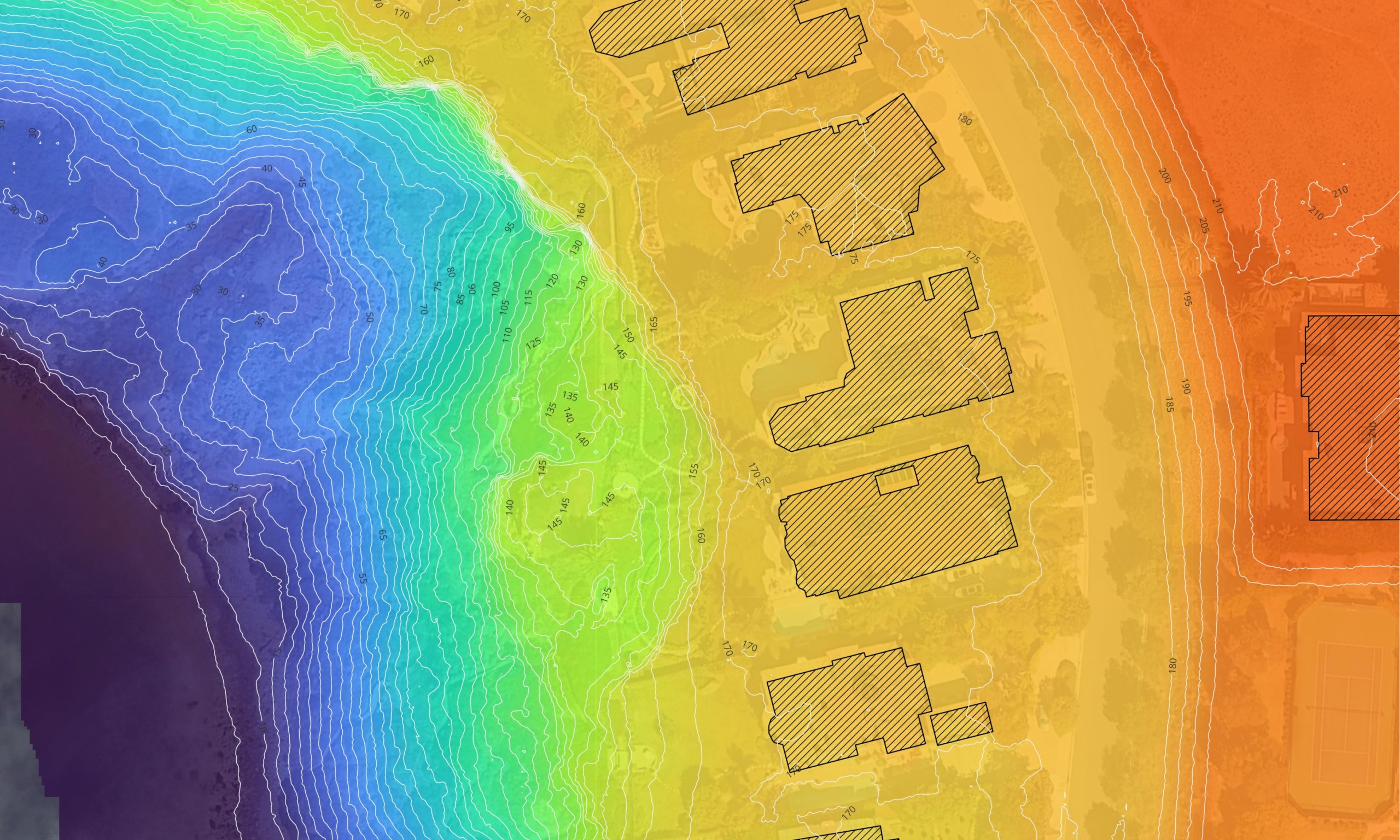
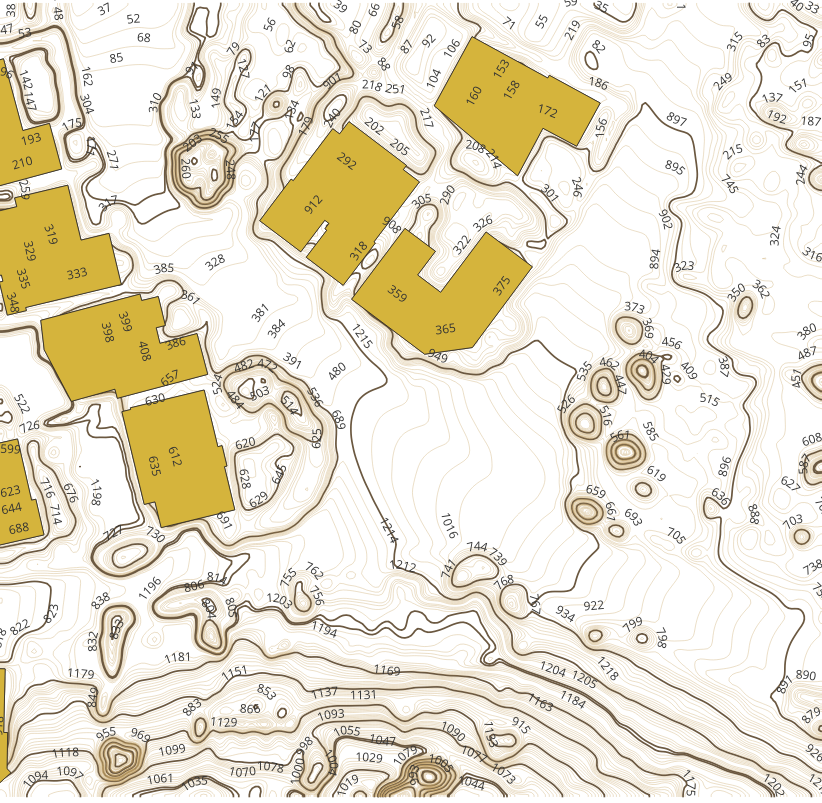
Topographical mapping captures terrain elevation, contours, and natural features critical for engineering design, drainage planning, and construction site analysis. Our drone-based topographic surveys deliver centimeter-accurate elevation data across large sites. The geospatial data we collect provides the foundation for accurate volume calculations and site planning.

Parcel Mapping

Parcel Mapping

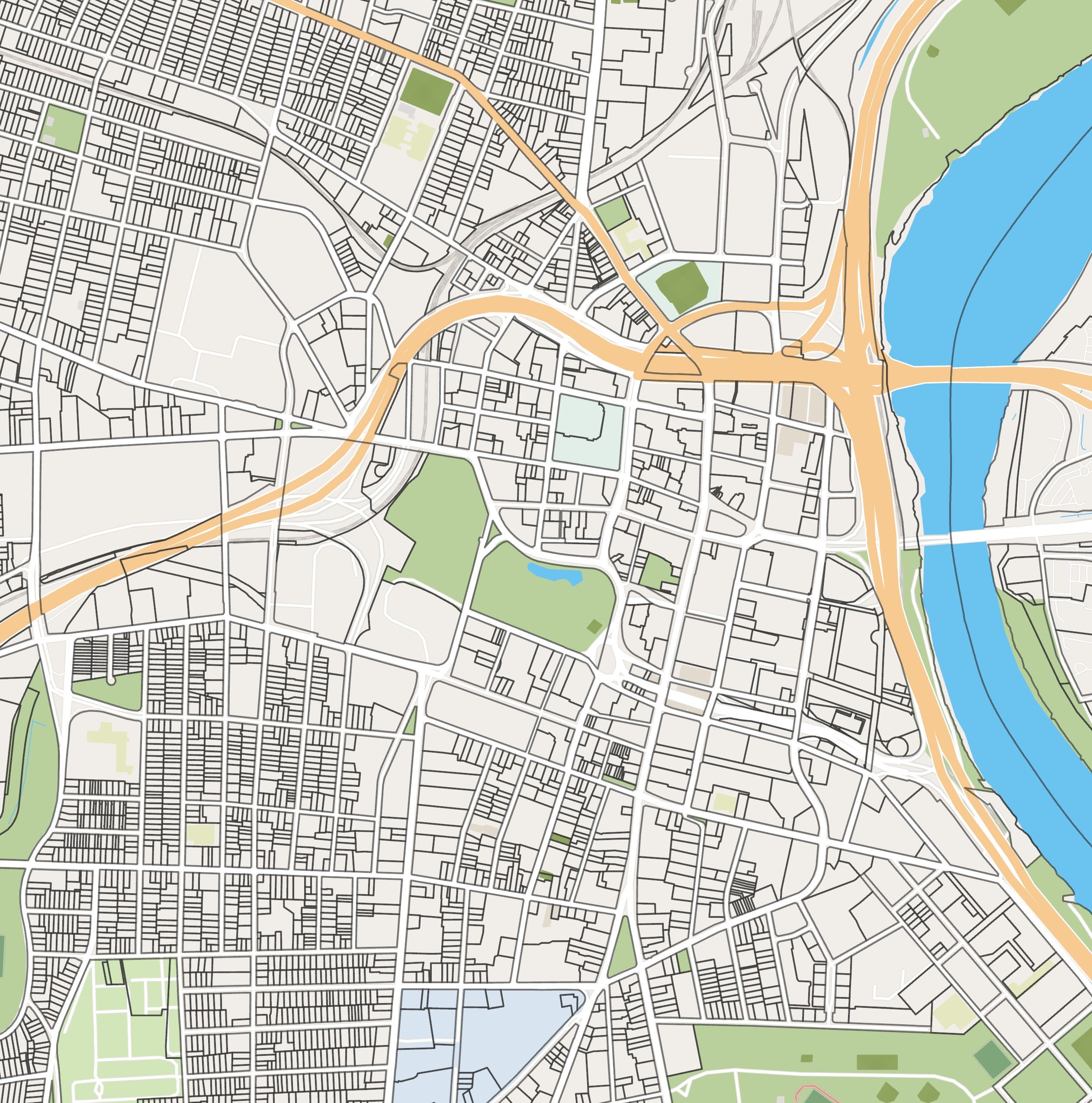
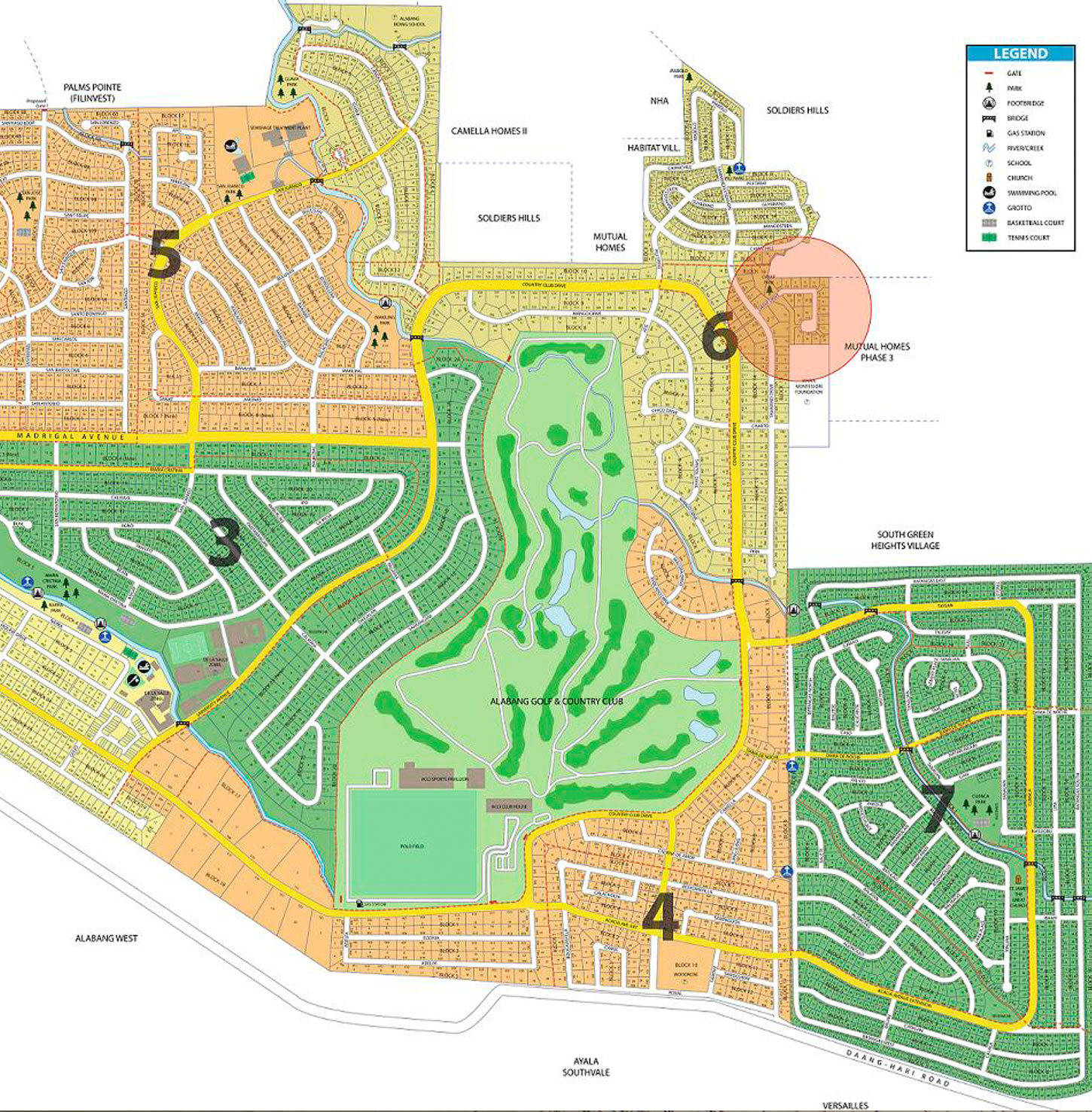
Parcel mapping services create the foundational geographic data layer for land administration and property management systems. Our parcel maps provide the spatial framework for property tax systems, land use regulation, and infrastructure planning across jurisdictions. Each land parcel is precisely georeferenced and attributed with relevant information.

Utility Mapping

Utility Mapping

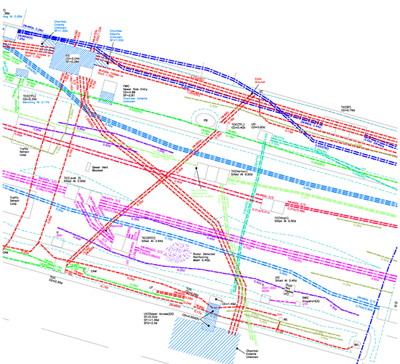
Utility mapping documents the location, condition, and connectivity of underground and overhead infrastructure including water, sewer, electrical, telecommunications, and gas networks. The spatial information we provide enables utilities to optimize operations and resource allocation across various industries.

Geological Mapping

Geological Mapping

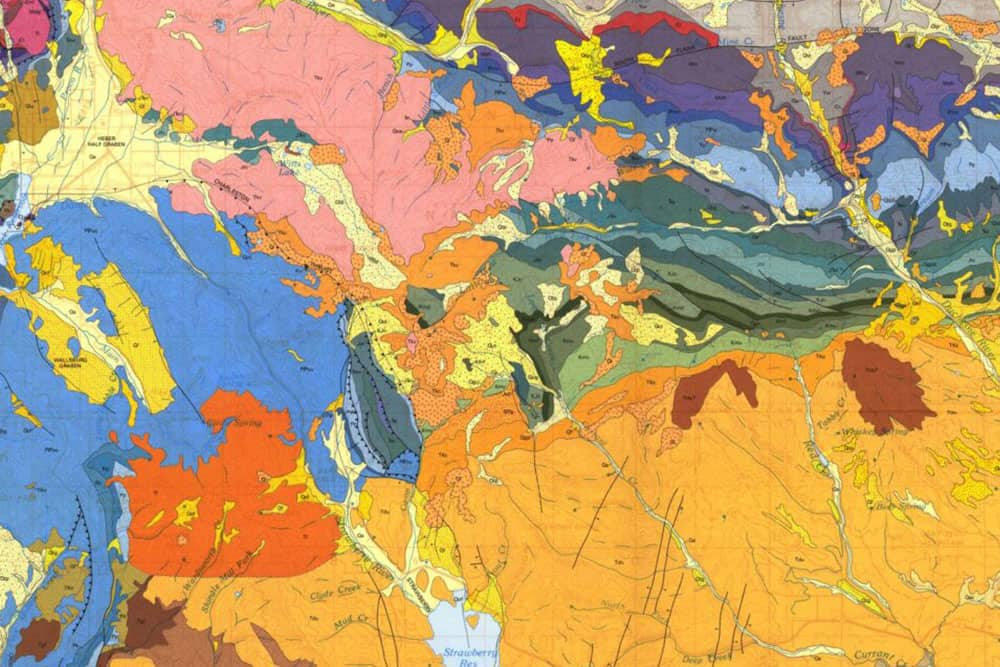
Geological mapping integrates surface terrain data with subsurface characteristics to support mining operations, geotechnical engineering, and natural resource exploration. As noted in industry research, geological mapping is crucial for natural resource exploration and environmental management.

Land Use Land Cover (LULC) Mapping

Land Use Land Cover (LULC) Mapping

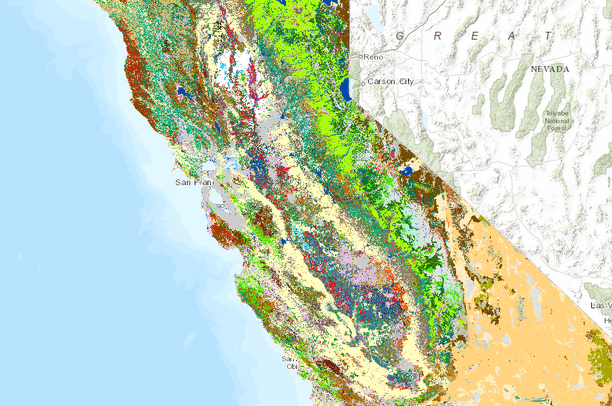
Our land use planning map services identify and categorize areas as residential, commercial, industrial, agricultural, forest, wetland, or open space using sophisticated classification algorithms that analyze spatial data patterns. LULC maps help organizations identify patterns in development trends.

Zoning and Planning Maps

Zoning and Planning Maps

Our zoning classification map and commercial zoning map services visualize regulatory districts, permitted uses, and development standards. These maps use fill color schemes to distinguish different zoning designations clearly. Users can search for properties by zoning type and query attributes to find relevant information quickly.

Base Mapping for Geographic Information Systems

Base Mapping for Geographic Information Systems

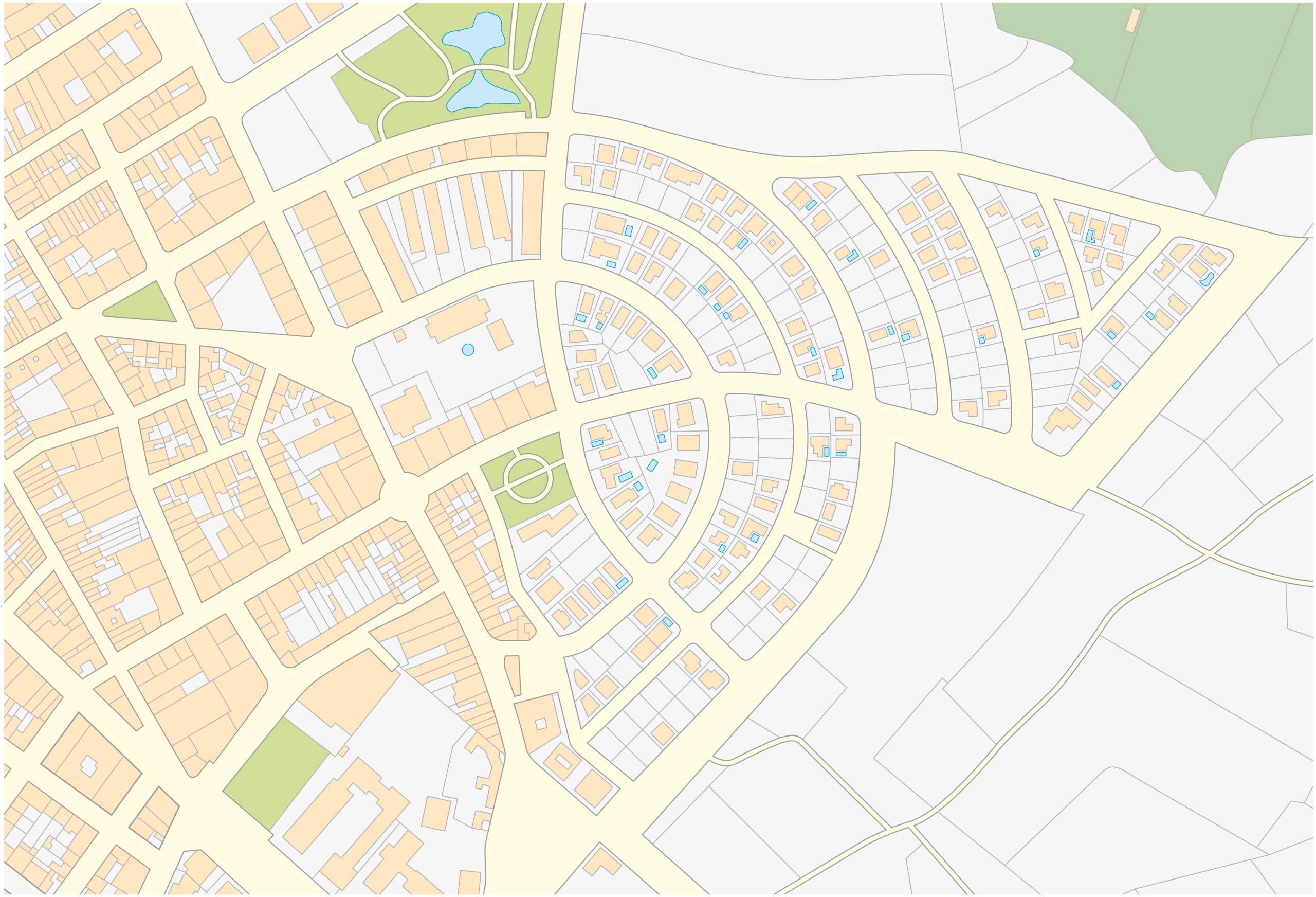
Base mapping establishes the foundational geographic reference layer showing roads, buildings, water features, and key landmarks. As a basic map layer, these datasets enable users to add new layers for specific analysis purposes while maintaining accurate spatial registration across different data types.

Geo-Referencing

Geo-referencing converts legacy maps, engineering drawings, and historical documents into spatially accurate digital formats aligned with real-world coordinates. This ensures all spatial information maintains consistent accuracy regardless of original format or creation date.

Map Digitization and Data Conversion

Map Digitization and Data Conversion

Our map digitization services transform paper maps, scanned documents, and analog records into digital GIS data with full attribute information and topology. Organizations can save digitized data in one format for consistent access across different platforms and device types.

Indoor Mapping

Indoor Mapping

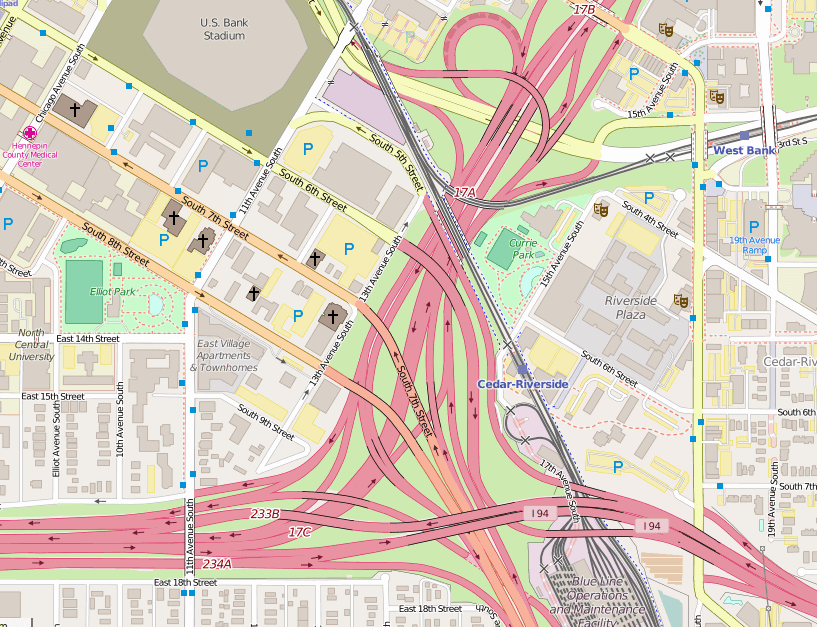
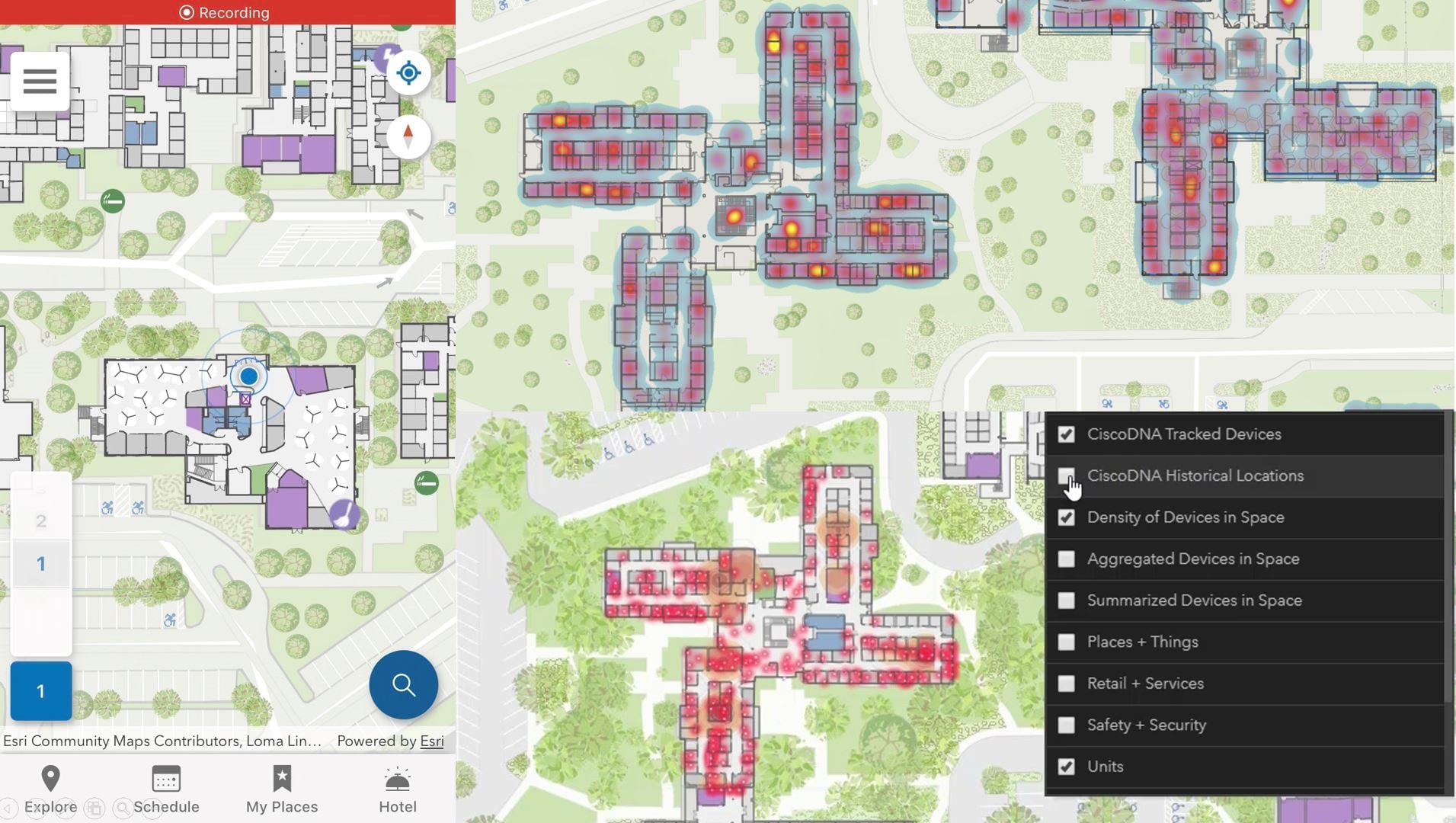
Our indoor gis map creation services document room layouts, wayfinding routes, asset locations, and space utilization to support facility management, emergency response planning, and visitor navigation systems. These maps enable organizations to share map data across teams and provide location-based services on any device.

GIS Mapping Projects We’ve Completed

We deploy specialized powerline inspection drones with advanced imaging technologies to capture precise data and high quality data for utility companies.

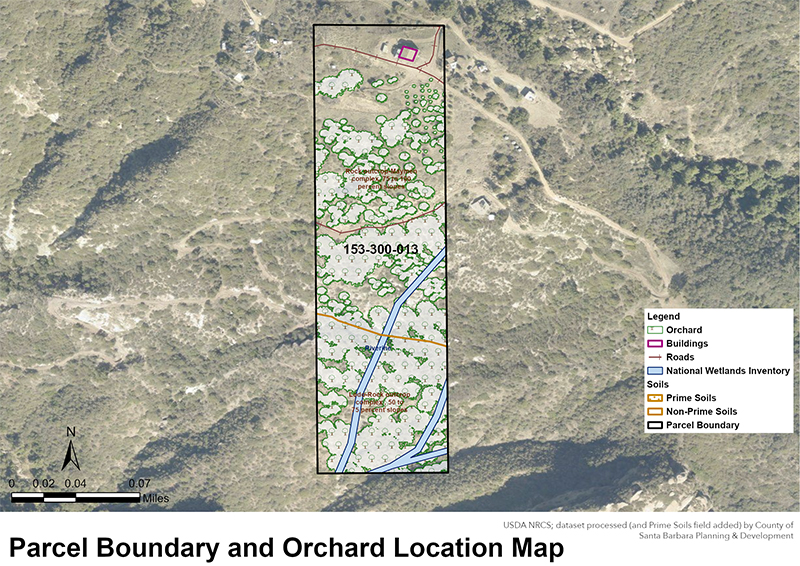
Parcel Boundary and Orchard Location Map

Parcel Boundary and Orchard Location Map

Detailed parcel boundary mapping for agricultural property in Santa Barbara County, integrating USDA NRCS data with property boundaries, orchard locations, wetlands inventory, and soil classifications. This project demonstrates our ability to work with existing datasets and create comprehensive multi-layer maps for land use planning.

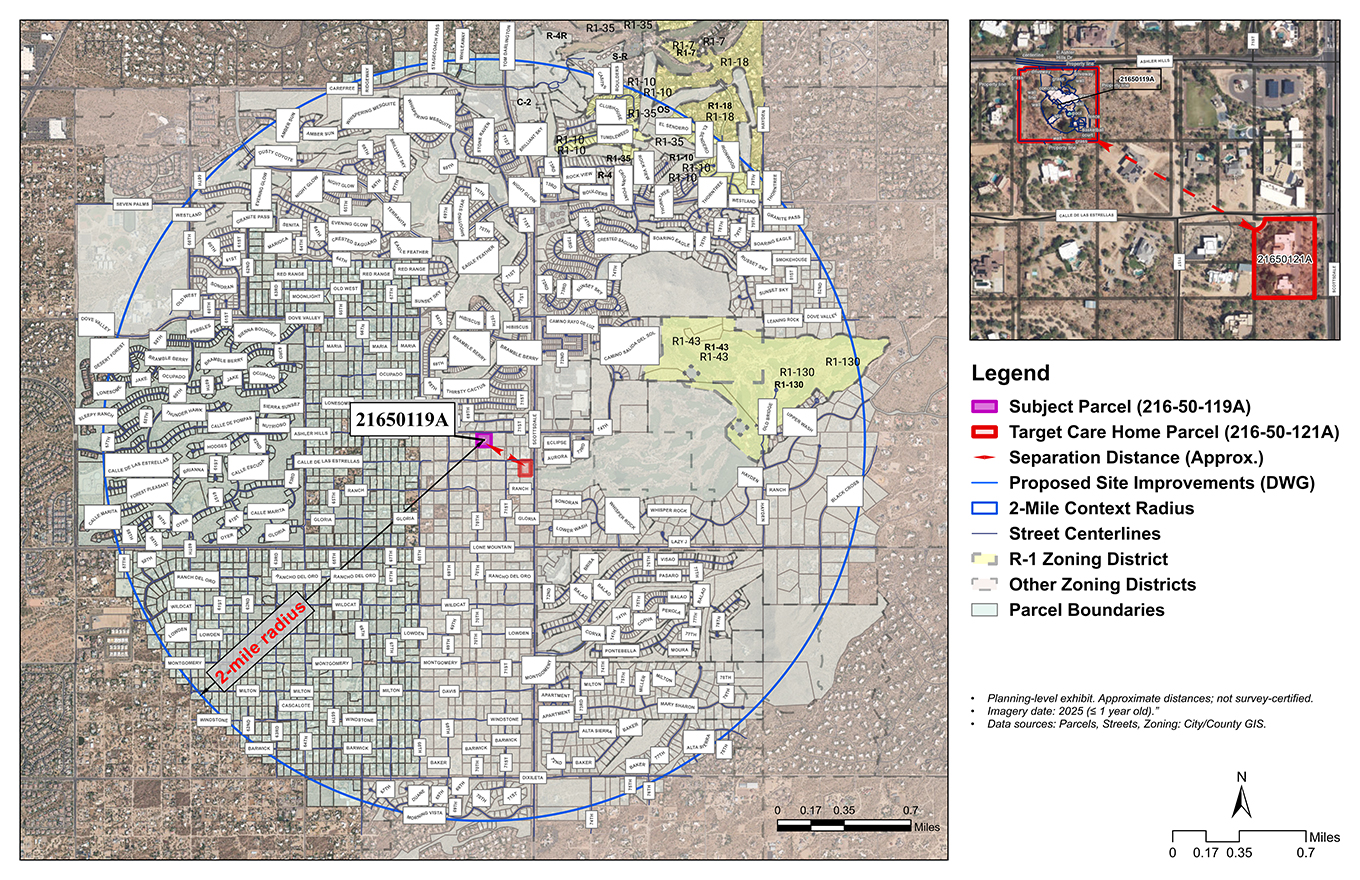
2-Mile Context Radius Planning Map

2-Mile Context Radius Planning Map

Planning-level exhibit showing subject parcels, zoning districts, and separation distances within a 2-mile context radius. Created using existing City/County GIS data including parcels, streets, and zoning layers. This type of map is essential for land use applications, conditional use permits, and environmental review processes.

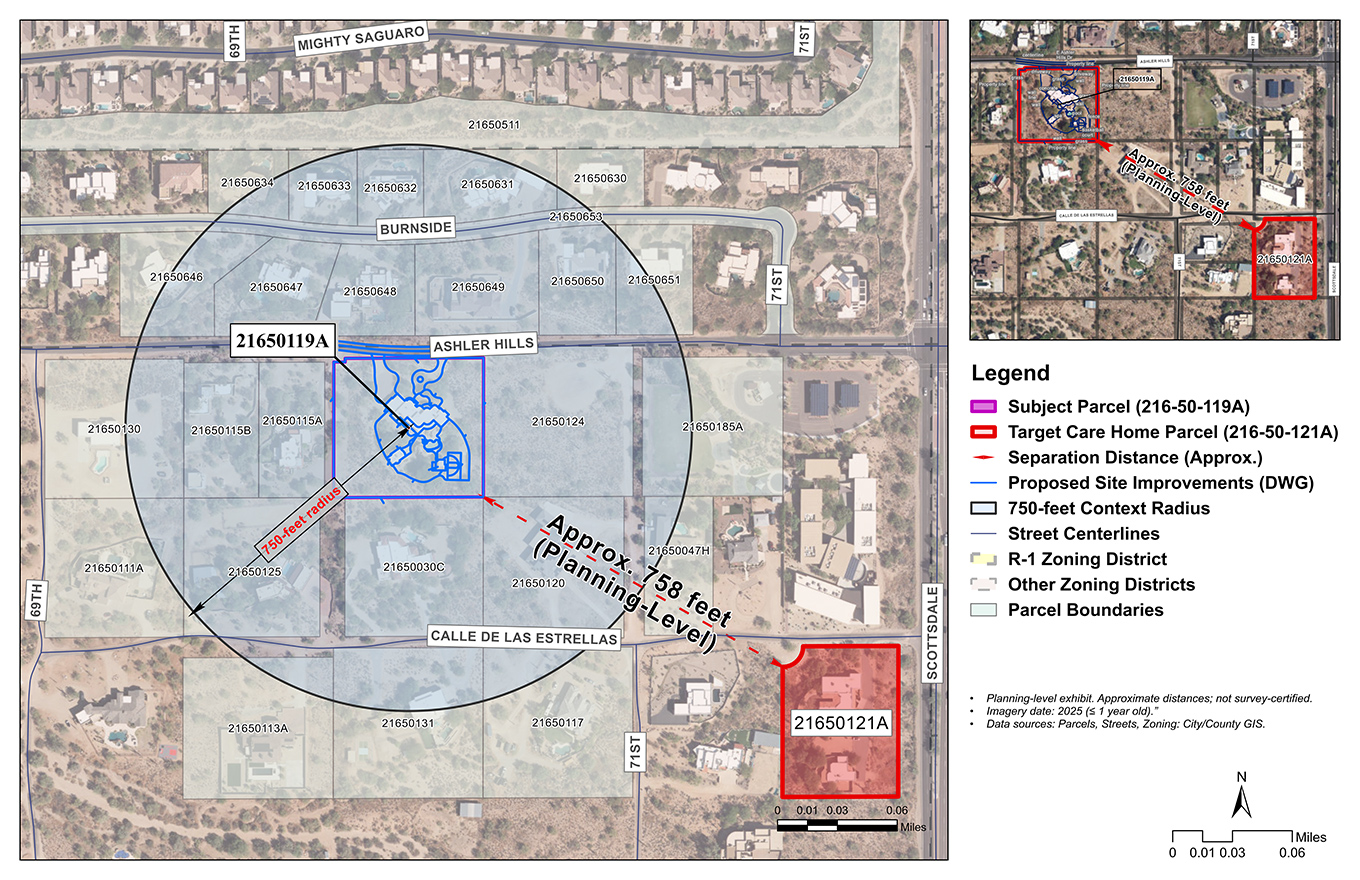
750-Foot Context Radius Detail Map

750-Foot Context Radius Detail Map

Close-up planning exhibit showing proposed site improvements, parcel boundaries, and R-1 zoning districts within a 750-foot radius. Demonstrates our expertise in creating detailed context maps that help planners and developers understand site relationships, setbacks, and regulatory constraints for development projects.

Benefits of Professional GIS Mapping Services

Professional GIS mapping services deliver measurable advantages for organizations managing property, infrastructure, and spatial data..

dynamic maps icon

Make Better Decisions with Dynamic Maps

GIS mapping services transform spatial data into visual representations that reveal patterns, relationships, and opportunities invisible in spreadsheets or text reports. The ability to create dynamic maps that update with new information enables organizations to make better decisions based on current conditions.

spatial data flat icon

Analyze Spatial Data to Identify Patterns

Our gis mapping services enable sophisticated spatial analysis including proximity studies, viewshed analysis, terrain modeling, and multi-criteria site selection. For example, businesses can visualize customer locations and behavior to tailor marketing efforts, while UPS uses GIS to plan efficient delivery routes.

data accuracy flat icon

Improved Data Accuracy

Professional GIS mapping services establish authoritative spatial data with survey-grade accuracy, eliminating errors, inconsistencies, and ambiguities common in manual mapping systems. Organizations can query spatial information with confidence, knowing the underlying geospatial data meets professional standards.

Thermal Imaging & Hotspot Detection

Efficient Workflow Management

GIS mapping creates structured workflows for data production, maintenance, and distribution that improve organizational efficiency. Users can save their work and return to the same page later, maintaining continuity across sessions and enabling collaboration across teams.

optmize resources flat icon

Optimize Resource Allocation

GIS helps organizations evaluate potential locations for new facilities by analyzing population density, infrastructure, and competition, supporting optimal resource allocation decisions. This spatial analysis capability addresses unique needs across various industries from retail site selection to emergency response planning.

Turn Your GIS Data Into Actionable Maps

We provide high-accuracy GIS mapping and spatial data products to support planning, engineering, and development projects.

Industries We Serve with GIS Technology

Leading organizations in virtually every field use geographic information systems to support daily operations and guide long-term strategies.

urban planning flat icon

Urban Planning and Development

Municipal planners and developers rely on our land use planning maps, zoning classification maps, and parcel mapping to guide growth management. Planners can find data about existing conditions, overlay various data layers to analyze spatial relationships, and create dynamic maps that communicate planning proposals effectively.

utilities flat icon

Utilities and Infrastructure

Utility operators use our mapping services to document water, sewer, electrical, gas, and telecommunications networks. The spatial information provided enables utilities to analyze spatial data for optimal resource allocation and identify patterns in service disruptions.

Construction and Engineering

Construction firms and civil engineers depend on our topographical mapping and base mapping for site design, grading plans, and construction management. Engineers can query geospatial data to extract elevation values at specific locations and generate visual representations of proposed grading.

real estate flat icon

Real Estate and Property Management

Drones equipped with advanced imaging technologies can capture detailed and precise data, improving the accuracy of inspections. High resolution cameras and thermal sensors provide utility companies with high quality data for accurate analysis, enabling better decision making and more effective maintenance planning for electrical infrastructure.

environmental flat icon

Environmental Management

Environmental consultants and resource agencies use our LULC mapping and geological mapping to assess habitats and track land cover changes. Organizations can analyze spatial data to identify patterns in environmental change and assess threats like flood zones and earthquake-prone areas.

government flat icon

Government Agencies

Local, state, and federal agencies rely on our GIS mapping services for infrastructure management, emergency planning, regulatory enforcement, and public information. Government users can share map data across departments, enabling collaboration and improving service delivery.

logistics flat icon

Transportation and Logistics

Transportation agencies and logistics companies use GIS to map, analyze, and improve delivery routes to reduce fuel costs and mitigate transportation disruptions. Advanced GIS tools can simulate scenarios such as predicting traffic flow changes due to new highway constructions.

Our Technology and Process

AeroViews combines advanced drone technology with professional GIS workflows to deliver superior mapping results.

Data Collection – Drone or Existing Sources

We work with both new and existing data. For new data collection, we deploy professional-grade drones equipped with high-resolution cameras and LiDAR sensors. We also expertly process existing datasets from County GIS systems, USDA databases, planning departments, and utility companies, integrating multiple data sources into cohesive mapping products.

Data Processing and Integration

Whether working with raw drone data or existing GIS datasets, our processing workflows create accurate base layers, orthomosaic imagery, digital elevation models, and vector features. We clean, standardize, and integrate data from various sources and formats, ensuring spatial accuracy and attribute consistency across all layers.

GIS Analysis Using ArcGIS Online and Professional Platforms

Professional GIS analysts interpret processed data to extract features, classify land cover, and generate thematic maps. Maps in ArcGIS Online consist of layers, which organize and combine geographic data for comprehensive analysis. Users can add a new layer, apply fill color schemes, and save their work for later access.

Quality Assurance and Delivery

Every project undergoes comprehensive quality control including accuracy verification, attribute validation, and cartographic review. We deliver maps in multiple formats compatible with your systems (PDF, DWG, shapefile, geodatabase). Organizations can query our spatial information with confidence, knowing the underlying data meets professional standards.

Why Choose AeroViews for GIS Mapping Services

Our combination of advanced technology, professional standards, and responsive service makes us the preferred partner for accurate, actionable geographic intelligence.

Survey-Grade Accuracy

Our mapping achieves sub-centimeter horizontal and vertical accuracy through professional-grade equipment, rigorous processing workflows, and comprehensive quality control. Clients can rely on our spatial information for critical decisions knowing it provides the relevant data they need.

Rapid Response Capability

Drone-based data collection enables rapid project mobilization and fast data delivery for time-sensitive mapping needs. We have provided emergency response mapping for landslides, fires, and other incidents requiring immediate spatial intelligence.

Comprehensive Service Portfolio

From initial data collection through final map production and database development, AeroViews provides complete gis mapping services under one roof. We deliver all data in one format or convert to multiple formats based on your unique needs.

California Expertise

With extensive experience across California’s diverse geography and regulatory environment, we understand local requirements for mapping accuracy, coordinate systems, and data formats. We work with clients across various industries to address their specific spatial analysis needs.

Proven Track Record

AeroViews has delivered successful GIS mapping projects for major corporations, government agencies, and development firms across California. Our 117+ five-star reviews demonstrate consistent delivery of accurate, on-time mapping services that meet professional standards.

Frequently Asked Questions About GIS Mapping Services

GIS mapping costs vary significantly based on project scope, area size, accuracy requirements, and deliverable complexity. Simple parcel mapping for a small site might start at a few thousand dollars, while comprehensive utility mapping or large-area topographic surveys can range from $10,000 to $50,000 or more. Factors affecting cost include site accessibility, required accuracy level, number of data layers, processing complexity, and deliverable formats. Contact AeroViews for a detailed project quote tailored to your specific requirements.
While some basic GIS software like QGIS is free and open-source, and some government agencies provide free access to existing map data, professional GIS mapping services that create new custom maps are not free. Creating accurate, survey-grade maps requires expensive equipment (drones, LiDAR sensors, GPS systems), specialized software licenses, trained personnel, and significant processing time. Organizations can access free existing map data through platforms like ArcGIS Online for basic maps, but custom mapping for specific properties or projects requires professional services. The value of accurate spatial information far exceeds the cost for most business and planning applications.
GIS accuracy for property lines depends on the data source and collection method. Professional drone-based mapping with ground control points can achieve 2-5 centimeter horizontal accuracy, which is suitable for planning purposes but may not meet legal survey requirements for property boundary disputes. For legal property line determination, a licensed land surveyor must perform a boundary survey using GPS and total station equipment. However, GIS mapping provides excellent accuracy for site planning, zoning analysis, and preliminary design where absolute legal precision isn’t required. Our cadastral mapping integrates official survey data to provide the most accurate property line representation available without a full boundary survey.
GIS mapping services are used across numerous applications including urban planning, environmental management, transportation route optimization, agricultural monitoring, public health analysis, emergency response, and natural resource management. Businesses use GIS to analyze customer locations, optimize delivery routes, select retail sites, and manage assets. Government agencies use GIS for infrastructure management, zoning administration, emergency planning, and public information portals. Utilities use GIS to manage distribution networks and plan maintenance. Environmental organizations use GIS to track habitat changes, monitor water quality, and plan conservation efforts. Essentially, any decision involving location, spatial relationships, or geographic patterns can benefit from GIS mapping and analysis.
Professional GIS mapping uses several industry-standard software platforms. Esri is the global market leader, offering ArcGIS Pro for desktop analysis and ArcGIS Online for web-based mapping and collaboration. QGIS is the leading free, open-source desktop GIS known for community-driven plugins and advanced analytics. Mapbox specializes in customizable and interactive digital maps for web applications. Other platforms include Caliper Corporation’s Maptitude for business-focused territory management, and various specialized tools for specific industries. At AeroViews, we primarily use ArcGIS Pro and QGIS to ensure compatibility with most client systems while maintaining professional cartographic standards. The choice of software depends on project requirements, client preferences, and the specific analysis capabilities needed.
GIS maps are created through a multi-step process. First, spatial data is collected through drone surveys, satellite imagery, GPS field work, or digitization of existing maps. This raw data is then processed to create accurate base layers like orthomosaic imagery, digital elevation models, or vector features. GIS analysts use specialized software to organize this data into various data layers, each representing different geographic features or attributes. Analysts apply symbology using fill color schemes and other visual techniques to represent different values and categories. Additional data from databases, spreadsheets, or external sources is joined to spatial features to create attribute-rich maps. Finally, cartographers design the map layout, add legends, scale bars, and other elements to create a clear visual representation. The completed map can be saved in one format for print or exported to multiple formats for web sharing, enabling users to find data and analyze spatial relationships interactively.
The cost to create a GIS map depends on whether you’re using existing data or collecting new data. Creating a basic map from freely available public data might cost $500-2,000 in analyst time for data compilation, styling, and layout. Custom mapping requiring new data collection through drone surveys typically costs $5,000-15,000 for small sites (under 100 acres) and can exceed $50,000 for large projects requiring high accuracy over extensive areas. Factors affecting cost include site size, required accuracy, terrain accessibility, number of site visits, data complexity, deliverable formats, and project timeline. Many organizations find that investing in accurate GIS mapping saves money compared to ground-based surveying methods while providing richer data for analysis. Contact us for a project-specific quote based on your unique needs.
Starting with GIS mapping depends on your needs. For organizations wanting to create maps, the first step is defining your objectives: what spatial questions you need to answer and what decisions the maps will support. Then determine if you need new data collection or can work with existing data sources. For simple projects, you can find data through public sources and use free software like QGIS or ArcGIS Online to create a basic map. For professional applications requiring accuracy, custom data collection, or complex analysis, partnering with a GIS services provider like AeroViews ensures you get reliable results. We start every project with a consultation to understand your unique needs, then develop a scope of work, collect data using appropriate methods, and deliver maps ready to use. Our team can also provide training to help your staff search, query, and analyze the spatial information we provide. This approach ensures you get relevant data in formats compatible with your workflow.

Start Your GIS Mapping Project Today

Tell us about your mapping needs and receive a detailed proposal within 24 hours.